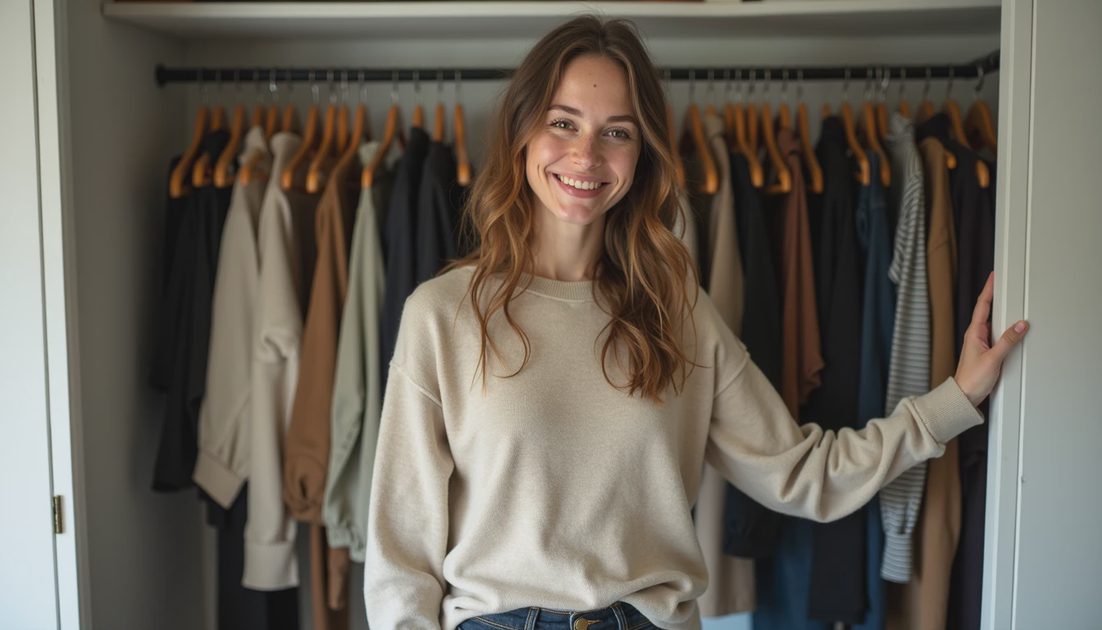
Two years ago, when I started this blog, I wrote about the closet I unpacked when I moved to Portland — the one that revealed the gap between the clothes I'd been buying and the life I was actually living. I wrote about wanting to do this differently, to build a wardrobe that was honest rather than aspirational.
This is the accounting of whether that worked.
Not a philosophical wrap-up. Not a list of lessons learned. Just an honest look at what I actually reach for, why those pieces have lasted, and what I notice when I look at the wardrobe now compared to the one I unpacked two years ago.
The short version: it's quieter than I expected, and more useful than any wardrobe I've had before.
The Pieces That Actually Earned Their Place
I went back through nearly two years of outfit notes — the loose log I described in the outfit formula piece — and pulled out the pieces that appear most frequently. These are not my aspirational favorites. They are my actual most-worn pieces, ranked roughly by frequency. They're also, in most cases, not the pieces I was most excited to acquire.
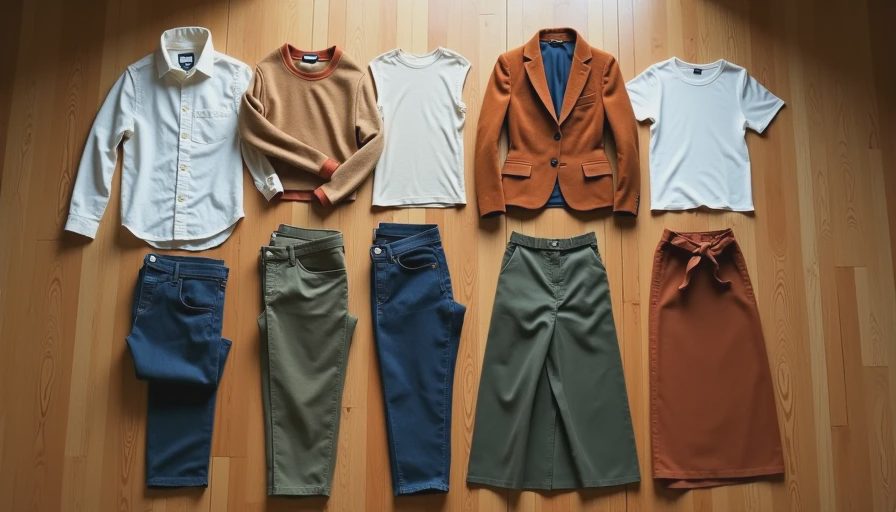
The oatmeal merino crewneck. This is the single most-worn piece I own. I reached for it in some form roughly three times a week from October through May. It's a secondhand Vince piece I found on ThredUp for $22, and it has been worn probably 150 times since I bought it. It shows gentle pilling on the cuffs and a slight softening of the knit structure that I find genuinely appealing now — it looks like what it is, which is a piece of good clothing that has been worn constantly. Nothing I've owned has a better cost-per-wear ratio. Nothing comes close.
The cream linen button-up. This shirt appears in my outfit notes more than any other single piece. I wrote about it in the stain repair piece — the oil stain near the second button, the embroidered rust motif I used to cover it. That repair has made it more interesting to me, not less. I wear it tucked or untucked, alone or layered, in every season except deep winter. It was a $41 find on The RealReal and has been worn well over a hundred times. The fabric has softened with washing in exactly the way good linen does.
The straight-leg dark wash jeans. A pair of Madewell jeans I found secondhand in excellent condition, in a straight-leg silhouette that I was initially uncertain about — I'd worn skinny jeans for years and the straight leg felt unfamiliar. Within a month of wearing them I'd donated three pairs of skinnies. The straight leg works better with the high-waisted trousers and structured pieces that dominate my wardrobe, creates a better proportion with the layered-knit-over-shirt combinations I wear constantly, and has a slightly more relaxed energy that Portland's pace suits. The hem shows real wear from pavement — I had it repaired once and will probably have it done again. That's not a failure; it's use.
The olive wide-leg trousers. These were the piece I was most nervous about buying — a higher price point for me secondhand, a silhouette I wasn't sure worked on my frame, a color I loved in theory but hadn't tested. They appear in my outfit notes with a frequency that still surprises me. The high waist and wide leg work together in a way that creates an effortless-looking proportion that almost everything else in my wardrobe pairs with. I wear them with the merino crewneck. With the linen shirt. With a silk blouse for more considered occasions. With a simple tee on weekends. The color is versatile in a way that I initially thought was specific. Olive, it turns out, works with most things.
The rust corduroy jacket. This is the piece that most represents the shift in how I dress. It was $8 at a thrift store, a vintage jacket in actual quality corduroy that fits like something made for me, in a color that appears throughout my wardrobe but that I'd resisted as a statement piece for years because it felt too visible. I've worn it probably sixty times. It photographs terribly on white walls. In actual Portland daylight, it's perfect.
The camel wool blazer. Found at a Goodwill outlet for $11 during the thrift trip I described in the thrifting-with-standards piece. I wrote about passing on things that didn't meet criteria and keeping this one. It's justified every one of those eleven dollars approximately four hundred times over. I wear it as outerwear in shoulder season, as a layering piece in winter, and as a "I need to look slightly more pulled-together" piece year-round. A blazer with correct fit and real wool construction does more wardrobe work per hanger-inch than almost any other category of garment.
The rust wool midi skirt. I include this one specifically because it's the piece that most represents accepting what I actually am rather than what I think I should be. I kept trying to build a wardrobe around trousers and jeans because I thought that was my aesthetic. Then I noticed I was reaching for this skirt constantly — on Saturdays, on work-from-home days, on the rare occasion I had something to attend. I like skirts, it turns out. I'd been wearing them less than I wanted to because they didn't fit the efficient-practical-Portland-lifestyle narrative I'd told myself. They do fit it. The midi length handles the weather, the wool handles the temperature, and the rust handles my genuine color preference. This piece stays.
The navy cotton tee. A simple thing. 100% cotton, good weight, a color that works as a neutral against the rust and olive and camel that populate the rest of the wardrobe. I have two — one slightly faded from washing, one still relatively crisp. I wear them both constantly. No further analysis required.
The cream silk blouse. The most occasional piece on this list — I reach for it maybe twice a month — but it earns its place because those occasions are consistent and the piece handles them better than anything else I own. Silk blouses have a quality of dressedness that nothing else replicates, and this one came from The RealReal in perfect condition for $38. It gets hand-washed and air-dried and treated carefully, which is the right relationship to have with silk.
What These Pieces Have in Common
Looking at the list, the pattern is obvious once you see it.
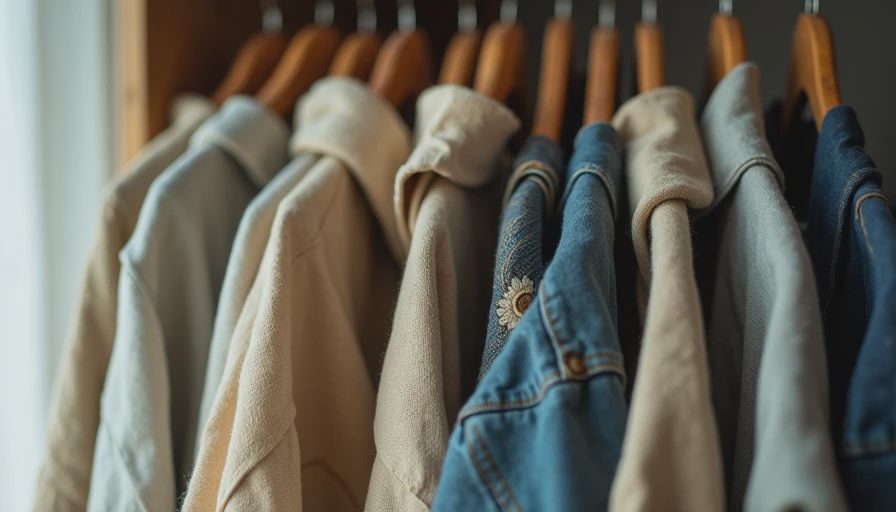
Every piece is a natural fiber. Every piece has a silhouette that creates good proportion with the others. Every piece was bought secondhand or from a brand I'd researched. Every piece has been worn enough times to make the acquisition — whatever it cost — clearly justified.
None of them were the most exciting purchases I've made in the past two years. The pieces I was most excited to acquire — a beautiful secondhand silk dress I found at an estate sale, a structured linen jacket in a gorgeous dusty rose — are not on this list. They're in the wardrobe. I wear them occasionally and I don't regret them. But they're not the foundation. The foundation is this list, which is quieter and more functional and less photogenic than the pieces I get the most excited about.
That gap — between what excites you in the acquiring and what actually does the work in the wearing — is probably the most useful thing I've learned in two years of paying attention to this.
What the Wardrobe Looks Like Now
Smaller than it was. More coherent. More used.
I have roughly 35 garments plus shoes and accessories. That's not a strict capsule wardrobe — I have pieces outside the nine above that I wear regularly and value — but it's smaller than the wardrobe I unpacked two years ago by about forty percent.
More importantly, the proportion of things I actually wear has changed dramatically. In the closet I unpacked after the move, I estimated about half of what I owned got worn fewer than five times a year. In the wardrobe I have now, I'd estimate that number is closer to ten percent — and most of those are occasion-specific pieces (the silk dress, the suit) that are supposed to have lower frequency.
I haven't stopped finding clothes interesting. I haven't stopped noticing things I'd like to wear. I still browse ThredUp with saved searches and check The RealReal occasionally and sometimes find something I want and buy it after waiting long enough to know I still want it.
What's changed is the underlying anxiety. The low-grade feeling that I didn't have the right things, that something was missing, that the wardrobe needed attention — that's mostly gone. Not because the wardrobe is perfect. Because I understand it now, and it understands me, and we've arrived at something like a working arrangement.
That's what two years of buying less actually produced. Not a perfect wardrobe. A functional one I know how to use.
That's enough.



Travellers Write
No letters yet — be the first traveller to write.