I used to buy clothes the way I bought coffee—on impulse, fueled by a two-second dopamine hit. A trendy blouse here, a pair of fast-fashion jeans there. They looked good in the dressing room and fell apart after three washes. Sound familiar? That cycle is exactly why I wrote this slow fashion starter guide. It's for anyone who loves clothes but hates the guilt that comes with disposable fashion. The goal isn't perfection; it's progress. Let's walk through what slow fashion really means and how you can start building a wardrobe you actually want to keep.
What Slow Fashion Actually Means (and What It Doesn't)
Slow fashion isn't about wearing burlap sacks or never shopping again. It's a mindset shift from quantity to quality, from trend cycles to personal style. It means choosing pieces that are well-made, versatile, and designed to last—whether they're new from a transparent brand or secondhand from a thrift store. The slow fashion starter guide emphasizes intentionality: asking yourself if you'll wear something at least thirty times, if it fits your existing wardrobe, and if you genuinely love it. It's not moral purity; it's practical habit. You don't have to swear off all new clothes or only buy organic linen. You just need to pause before you purchase.
Where to Start: The Three-Step Reset
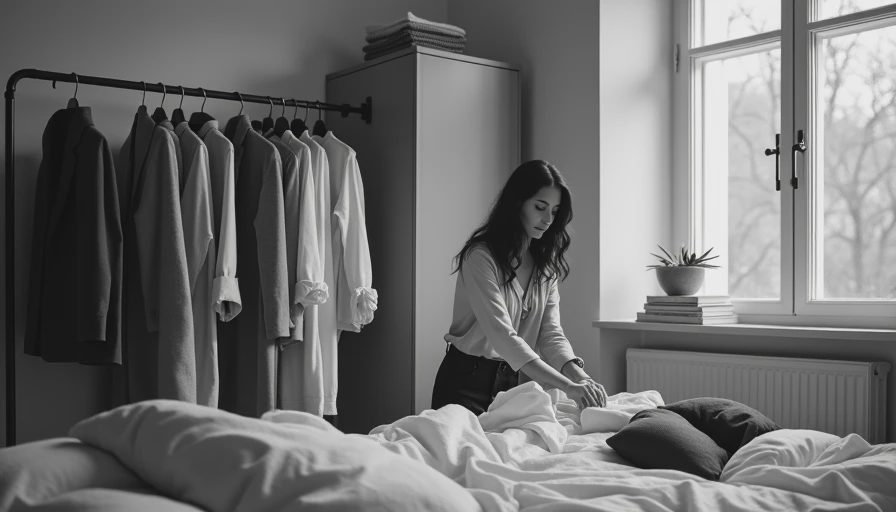
If you're overwhelmed by where to begin, start with these three actions. First, take inventory of your closet. Pull out everything you own and group it by category—tops, bottoms, dresses, outerwear. Note what you wear often and what sits untouched. This reveals your actual style and the gaps you might be tempted to fill with fast fashion. Second, set a personal rule: for every new item you bring in, one must leave. This keeps your wardrobe manageable and prevents impulse buys. Third, define your signature look. What colors, silhouettes, and fabrics make you feel most like yourself? Write it down. This slow fashion starter guide works best when you know what you're aiming for. Without that foundation, you'll keep chasing trends.
How to Shop Secondhand Without the Overwhelm
Secondhand shopping is a pillar of slow fashion, but it can be intimidating. Thrift stores often feel chaotic, and online resale platforms like ThredUp or Depop have endless listings. The trick is to go in with a plan. Before you browse, check your closet inventory and make a list of specific items you need—a black blazer, a pair of straight-leg jeans, a silk midi skirt. When you find something that matches, ask: Is it in good condition? Does it fit well? Can I style it three different ways? This slow fashion starter guide recommends focusing on natural fibers like cotton, wool, and silk—they last longer and feel better. Also, know your measurements and bring them with you. Many secondhand pieces are pre-loved, so a minor repair like a missing button isn't a dealbreaker. In fact, small fixes add character.
The Care Routine That Makes Clothes Last
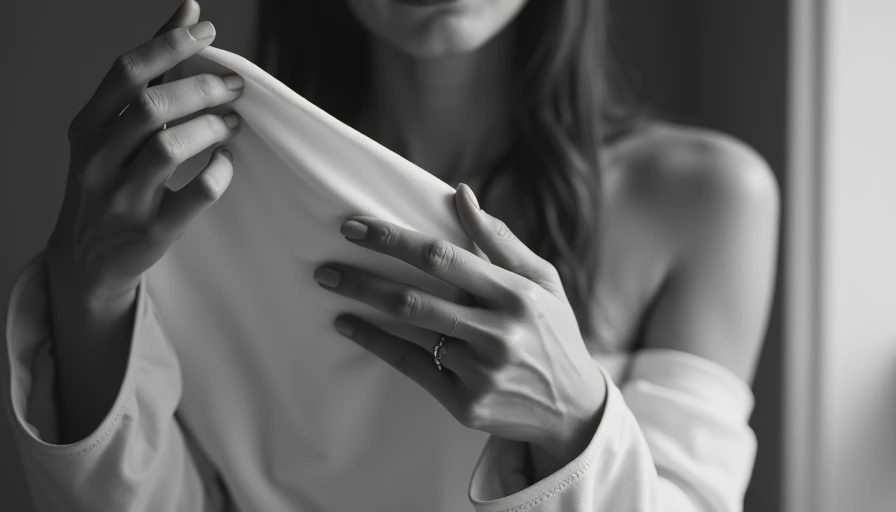
Buying better is only half the battle. How you care for your clothes determines how long they stay in rotation. The number one tip from this slow fashion starter guide: wash less. Most garments don't need laundering after every wear—air them out instead. When you do wash, use cold water and gentle detergent. Hang dry delicate items instead of throwing them in the dryer, which wears down fibers and shrinks natural materials. Learn basic repairs: sewing a button, fixing a hem, or patching a small hole. These skills are simple and immensely satisfying. Not only do they extend a garment's life, they also make you feel connected to your clothes. I keep a small mending basket in my closet, and it's saved dozens of pieces from the donation pile.
Wear It Again, But Better
One of the biggest myths about slow fashion is that it means wearing the same outfits over and over until you're bored. Actually, repetition is a superpower. Styling the same blazer with jeans one day and a slip dress the next shows creativity and reduces waste. The slow fashion starter guide encourages you to play with accessories, layering, and tucking—small changes that make a favorite piece feel fresh. Challenge yourself to wear a single item in three different ways within a week. Document it in photos if that helps. You'll quickly see that novelty doesn't have to come from new purchases; it comes from how you combine what you already own.
The Cost Per Wear Calculation
To truly embrace slow fashion, start thinking in cost per wear. A $200 dress you wear fifty times costs $4 per wear. A $20 fast-fashion dress you wear twice costs $10 per wear. Suddenly, the “cheap” option isn't cheaper. This slow fashion starter guide urges you to calculate cost per wear before buying anything. It shifts your focus from price tag to value. It also makes you more discerning: you'll save up for pieces that genuinely earn a spot in your rotation rather than grabbing something just because it's on sale.
Building Your Slow Fashion Community
You don't have to do this alone. Join online groups or local clothing swaps where people share tips, trade pieces, and celebrate outfit repeats. Follow creators who focus on style rather than hauls. The slow fashion starter guide is more fun when you have friends who get it. Swap a top with a friend for a month, or host a mending night. Community keeps you accountable and inspired.
This journey isn't about getting it right overnight. It's about small, consistent choices that add up. Start with one change—maybe washing less or buying one pre-loved item this month. Then build from there. Wear it again, but better.

Travellers Write
No letters yet — be the first traveller to write.