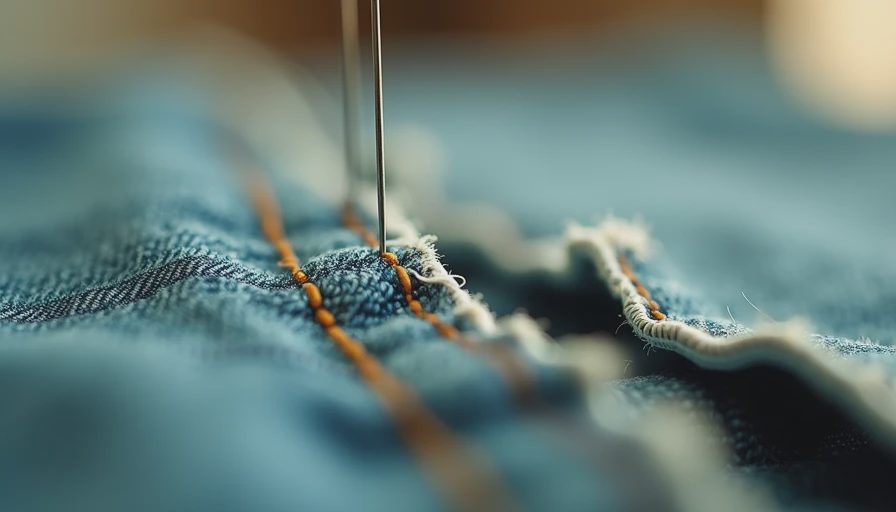
I used to be the kind of shopper who bought a dress for a wedding, wore it once, and then guilt-stashed it in the back of my closet. If a button popped off a blouse, I’d toss it in a pile of “to fix someday” that never got smaller. But over the last few years, I’ve made a serious shift toward **clothing repair instead of replace**, and it’s changed how I relate to everything I own. It’s not about being perfect; it’s about being practical. One stitch at a time, I’ve saved dozens of pieces from the trash—and my wallet has thanked me.
Why Repairing Saves More Than Money
Let’s be real: the fastest way to kill a budget is to treat every loose thread and missing button as a reason to buy new. A simple hem repair costs $10–$20 at a tailor, while a replacement dress runs $50–$100. That math adds up fast. Beyond dollars, every piece of clothing you keep out of a landfill saves the resources that went into making it—water, energy, labor. I’ve found that the act of mending also builds a sense of pride. When you darn a sock or stitch a tear in a beloved linen shirt, you’re telling yourself, “This is worth keeping.” And that mindset is the foundation of a wardrobe that truly fits your life.
What You Can Actually Fix at Home (No Sewing Machine Required)
You don’t need to be a master seamstress to tackle most everyday repairs. Start with a basic needle, thread that matches (or contrasts, if you like visible mending), and a YouTube tutorial. Here are four fixes almost anyone can learn in an afternoon:
- **Replacing a button:** A pack of buttons costs $3. Find a matching one or mix it up for personality. Ten minutes and you’re done.
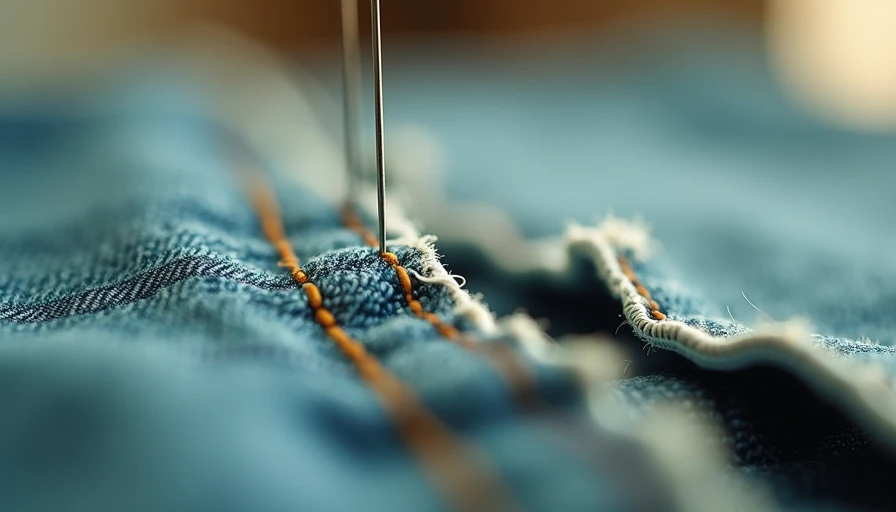
- **Fixing a seam that’s come undone:** A simple running stitch along the gap will hold for months. Use thread that matches the original color.
- **Darning a small hole in knits:** Especially for sweaters and socks. Use a darning egg or a jar lid, weave the thread back and forth, and you’ll close the hole without it being obvious.
- **Patching a worn area:** If jeans are developing a hole at the knee, a denim patch (or a fun fabric scrap) can extend their life by another year. Iron-on patches are the easiest entry point.
I’ve used these techniques on cashmere sweaters from Goodwill, favorite jeans from Levi’s, and even a silk blouse from a thrift store. The key is to start small—don’t try to fix a broken zipper on your first try. Leave that for the pros.
When to Hire a Pro (and When It’s Not Worth It)
Not every repair is worth your time or money. Some fixes require specialized equipment: zipper replacement, major reshaping, or leather stitching. A professional tailor can do these for $15–$40, which is still cheaper than replacing the garment. For example, my local tailor charged $25 to replace a stuck zipper on a winter coat. A new coat would have been $150+. Other times, the cost of repair exceeds the item’s value. A $12 fast-fashion top with a torn seam? Repairing it might be only $10, but is it worth it? I’d say yes if you love the piece—but if it’s something you never wear, let it go to textile recycling instead.
There are also brand-specific repair services. Patagonia offers free lifetime repairs on their gear. Levi’s has a Tailor Shop for alterations and repairs. These programs make **clothing repair instead of replace** a no-brainer, especially for higher-quality pieces.
The Emotional Shift: From Replace to Repair
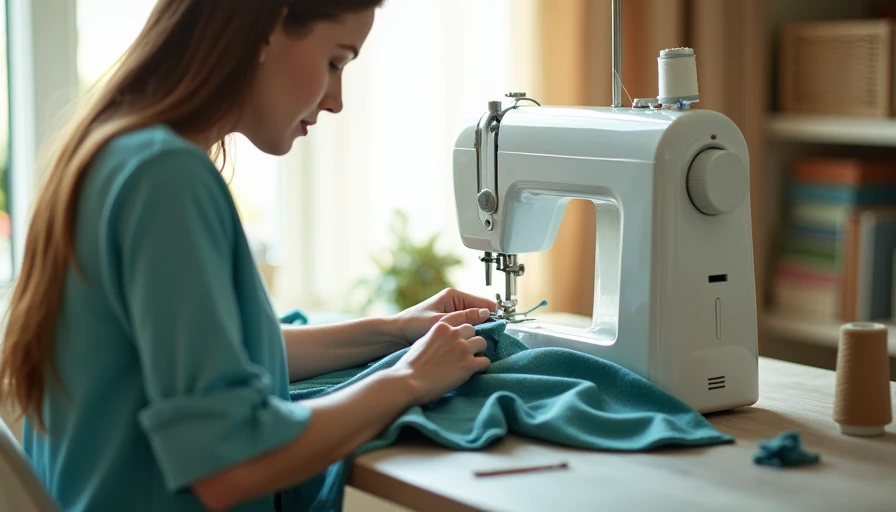
When I started mending, I noticed something unexpected: I became less tempted by fast fashion’s constant churn. Each repair created a small ritual—sitting with a needle, focusing on a garment, giving it attention. That ritual made the piece feel more mine. I stopped seeing my clothes as disposable and started seeing them as companions in my daily life. This emotional shift is the real reward of **clothing repair instead of replace**. You break the cycle of “buy, wear, toss” and step into a slower, more intentional rhythm.
I still buy new things, but I ask myself first: “Can I fix what I already have?” Sometimes the answer is no. But often it’s yes—and that yes feels like a small victory. It’s not about moral purity; it’s about useful habits that make your wardrobe work harder for you. Next time a button falls off or a seam splits, grab a needle instead of a credit card. You might surprise yourself.
Quick Checklist for Your First Repair:
- Needle and thread (basic sewing kit under $10)
- YouTube tutorials (search “how to [repair type]”)
- A well-lit spot and a bit of patience
- Know when to call a tailor (zippers, hems, alterations)
**Wear it again, but better.** That’s the motto. And it starts with one small stitch.


Travellers Write
No letters yet — be the first traveller to write.