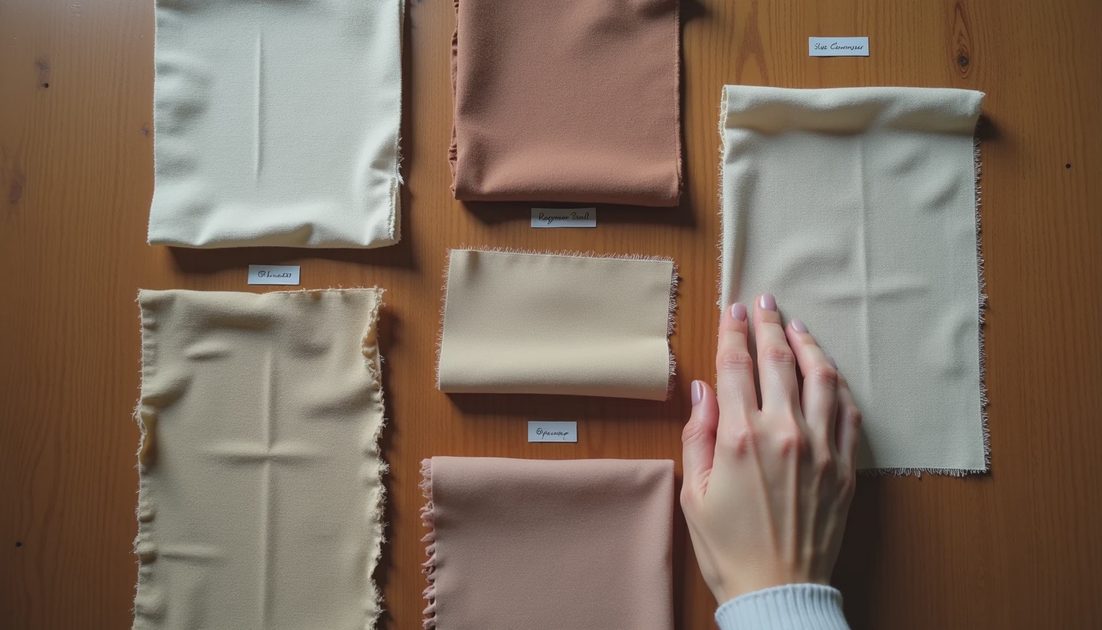
When I first started shopping secondhand seriously, I made a mistake that probably costs a lot of people time and money: I thought "natural fiber" was a complete indicator of quality.
It's not. A secondhand linen shirt can be exceptional or it can be thin, slubby linen that falls apart after a year of actual wear. A cashmere sweater can be genuine investment-grade cashmere or it can be cashmere blended down so far that it pilled aggressively in the shop where I bought it. The natural fiber part matters, but it's only part of the story.
What actually matters, once you're in the secondhand market, is learning to feel the difference between fabrics before you buy them. This is something thrift stores in particular teach you — you're touching everything, learning through your hands what quality actually feels like, building a tactile vocabulary that no amount of reading can quite provide. If you're shopping online, it requires looking at photos more carefully and asking better questions. Either way, the skill is learnable, and it changes what you find.
Here's what I've learned about which natural fibers are most worth seeking out.
The Fabrics Worth Prioritizing
Linen
Linen has become a somewhat trendy material in sustainable fashion circles recently, which means there's a lot of discussion about its environmental credentials. Those credentials are real — linen is grown with relatively low pesticide use, uses minimal water compared to cotton, and is fully biodegradable. But I'm including it here for a simpler reason: linen just gets better with age.
A quality linen garment, when it's new, is often quite stiff. Over years of washing and wearing, it softens into something genuinely pleasant to wear. I own linen shirts from the secondhand market that are fifteen or twenty years old and they're better now than they were new. The fabric has developed a soft hand, a slight sheen from use, a drape that newer linen doesn't have.
The quality markers to look for: a weight that feels substantial in your hand — good linen isn't paper-thin. If you're looking at a linen blouse online, the fabric should look like it has some body and a visible weave structure. Linen at different price points is linen at different price points — a vintage linen shirt from a heritage brand is going to have a different weight and quality than a contemporary linen shirt from a fast-fashion brand — but age is actually on your side here. Older linen is almost always better than newer linen at the same price point, because that aging process has already happened.
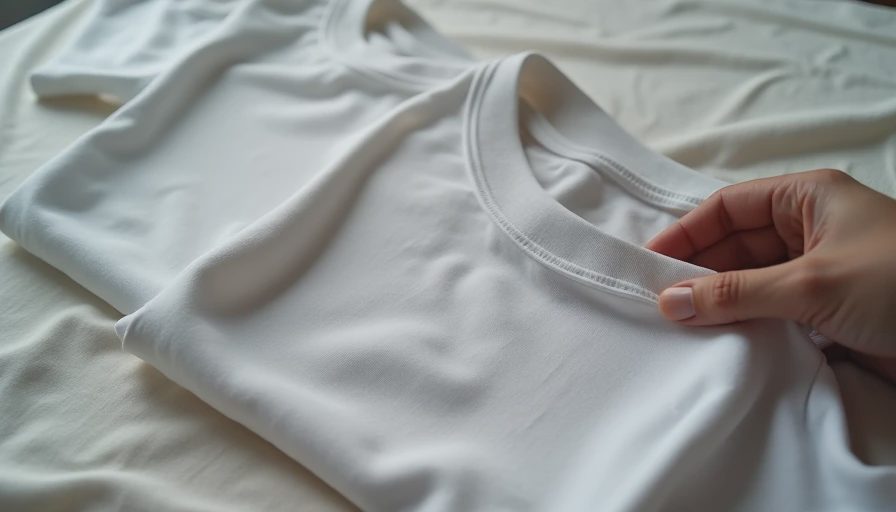
Wool
Wool has multiple personalities depending on the type and weight, so I'm grouping this carefully.
Merino wool is probably the most versatile. It's softer against skin than traditional wool, regulates temperature well, and doesn't pill the way blended wools sometimes do. If you're looking for a merino wool sweater secondhand, age isn't as much of a friend as it is with linen — merino doesn't necessarily improve with age the way linen does — but quality merino holds up better than almost any other natural fiber over time. The weight to look for is at least 18-20 microns for next-to-skin wear. The label won't always tell you the micron count for older pieces, so you're looking for a soft hand feel and no persistent itch.
Heavier wool — the kind used in coats, tailored pieces, structured sweaters — gets better with careful age. A wool coat from the seventies or eighties is going to be better made than most contemporary wool coats because wool coats cost more and were made to last longer. The quality look for is tight, even weave, substantial weight that feels structured but not stiff.
The caution with wool: pilling is real and varies with blend ratios. Pure wool pills less readily than wool-polyester blends. If you're examining a secondhand wool sweater and you see significant, visible pilling, you're looking at either lower-quality wool or a blend that pills easily. Some pilling is normal and manageable; extensive pilling is a signal that either the garment wasn't high quality to begin with or the fibers have degraded.
Silk
Silk is interesting in the secondhand market because there's good silk and there's silk that's been dyed and treated in ways that affect durability. Pure silk charmeuse, pure silk crepe — these are different fabrics from silk that's been heavily finished with resin or other treatments.
The advantage to shopping secondhand for silk is that you can see how it's aged. A silk blouse that's been worn for fifteen years and still looks good is telling you something — either the quality was genuinely good or the wearer was extremely careful. Either way, if it's held up that well, it's probably going to hold up for you too.
What to look for: a label that says 100% silk rather than silk-blend. Silk that feels smooth but not slippery — overly slippery silk often indicates heavy finishing that can degrade over time. Signs of aging to be wary of: brittleness (the fabric cracks when you gently flex it), significant yellowing, or areas where the weave is breaking down. Some yellowing is normal and actually charming. Brittleness is a sign the silk is past its functional life.
The weight matters too. Lightweight silk charmeuse is lovely but delicate — better for pieces that won't get a lot of wear. Heavier silk crepe, silk twill — these are more robust and hold up better to regular wearing.
Cotton
Cotton is tricky because quality varies so dramatically. A high-quality cotton shirt — tight weave, substantial weight, good dye — can last decades. A poorly made cotton shirt falls apart. Shopping secondhand helps here because you can see which category you're in: if a cotton garment has survived intact for ten years, it's probably good quality.
The tactile test: hold the fabric up to light. If you can see through it easily, it's thin — thin cotton doesn't develop a nice hand feel with age, it just gradually gets thinner. Quality cotton has a weave dense enough that you can't easily see light through it, and it feels substantial in your hand.
One specific thing to watch for with vintage cotton: some older cotton garments were treated with finishes that made them easier to care for but that have degraded over time. If a vintage cotton shirt feels oddly stiff or papery, it might be the finish breaking down. This isn't a dealbreaker, but it's something to factor in.
What to be cautious about: Blends
Blended fabrics aren't inherently bad — a cotton-silk blend, for instance, combines durability with drape. But the secondary fiber matters. Cotton-polyester blends don't age well. The polyester doesn't break down, the cotton fibers separate, and the fabric often develops a weird texture over time. Wool-polyester blends pill more readily than pure wool. If you're shopping secondhand and you see a blend, the quality test becomes: how long has this garment been worn and how does it look? If a wool-polyester blend has been worn for ten years and looks good, that's evidence it's functional. If it's been worn for ten years and looks degraded, you have your answer about that particular blend ratio.
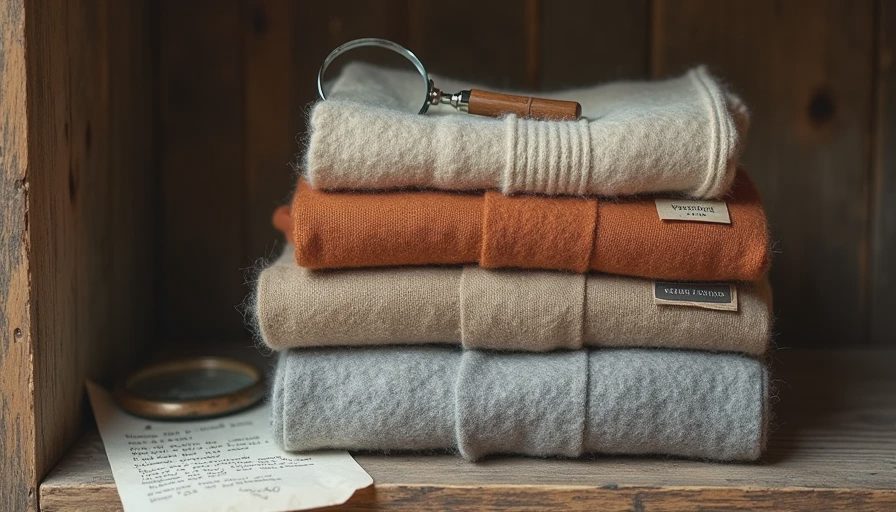
How to Identify Fabric Quality Without Detailed Labels
This is probably the most practical section, because secondhand pieces don't always come with complete fiber information.
The weight test: Hold the garment and feel how substantial it is. Quality fabrics generally have weight. This isn't absolute — a lightweight silk can be high quality — but as a heuristic, thin and cheap-feeling usually goes together.
The hand feel test: Run your hand over the fabric. Quality natural fibers have a pleasant tactile experience. They feel soft without being slippery, substantial without being stiff. If a garment feels rough or plasticky or oddly slick, that's information.
The drape test: Hold a piece of fabric and let it hang. Good fabric has graceful drape — it falls naturally and folds smoothly. Cheap fabric either hangs stiffly or clings awkwardly.
The weave visibility test: Look closely at the weave structure. Tight, even weaves indicate better construction. Loose, uneven weaves indicate lower quality.
The aging observation: This is secondhand-specific. Look at how the garment has aged. If it's fifteen years old and still looks relatively good, the quality was probably solid. If it's fifteen years old and falling apart, that's your answer.
The Price-to-Quality Relationship
One of the most useful things I've learned from shopping secondhand is that price at the point of resale doesn't always correlate to original quality. A designer piece that was poorly made shows up on resale sites cheaper than it should be because it didn't hold up. A workwear piece in good quality cotton or wool shows up cheap because it's not a recognizable brand.
I've spent more money on some secondhand designer pieces than on vintage workwear pieces, and the workwear pieces are significantly better quality. The fiber content, the construction, the weight — all better. The designer name commanded a premium that the actual garment didn't merit.
When you're shopping secondhand, you get to skip past brand marketing and actually evaluate the object in front of you. That's genuinely powerful. A linen shirt with a quiet label that costs $12 secondhand might be better quality than a silk blouse from a luxury brand that costs $40, if you know how to read the fabrics.
Learning that reading is worth the time.
Travellers Write
No letters yet — be the first traveller to write.