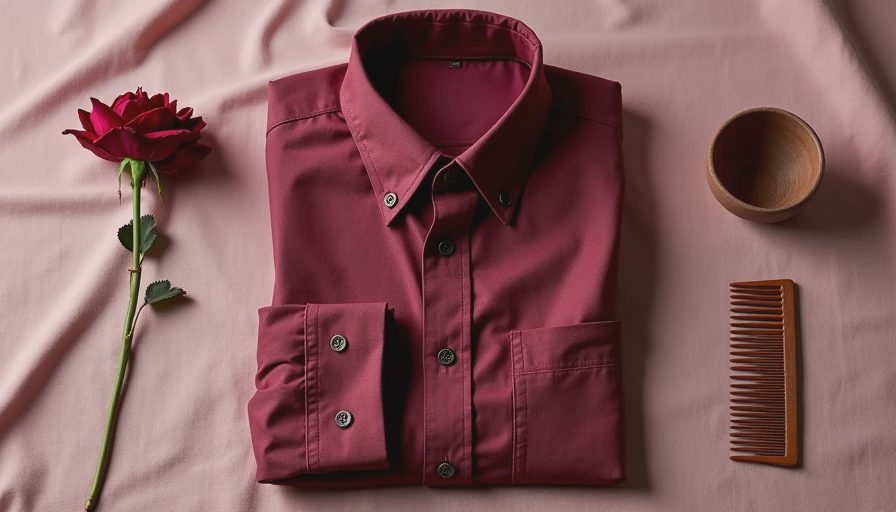
I’ll be honest: for years, I overlooked the **linen clothing benefits** because I associated linen with wrinkled, stiff resort wear. But after actually trying it — a linen blazer from a thrift store, a pair of wide-leg pants from a sustainable brand — I’ve completely changed my tune. Linen isn’t just for vacation; it’s a workhorse fabric that can elevate your everyday style while aligning with your values. Let me walk you through why I’m now a convert.
Why Linen Is a Wardrobe Superstar
Linen is made from flax, a plant that requires far less water and fewer pesticides than cotton. That’s a huge plus for anyone trying to shop more consciously. But the **linen clothing benefits** go beyond sustainability. The fabric is naturally breathable, wicking moisture away from your skin and keeping you cool in summer. In winter, it layers beautifully under wool or cashmere. I’ve worn my linen trousers in 90°F heat and 40°F chilly mornings — they just work.
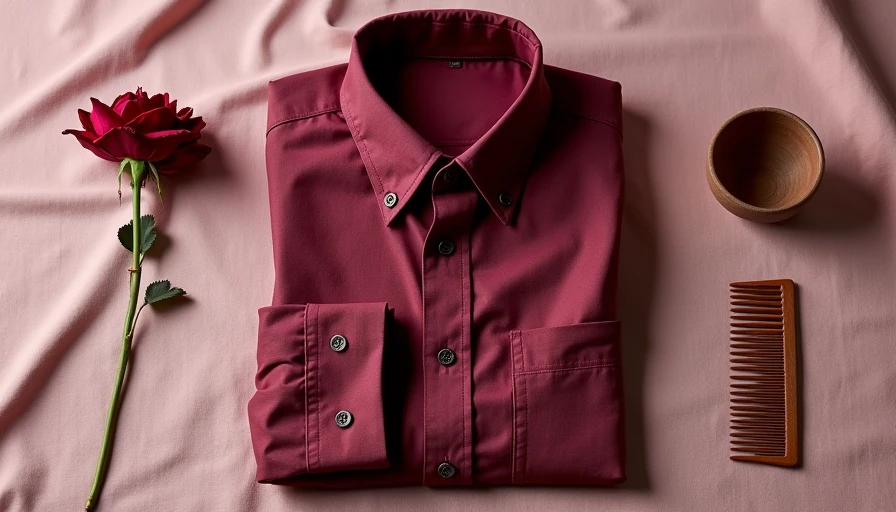
Another key benefit is durability. Linen fibers are stronger than cotton, meaning your garments can last for years if cared for properly. That’s rare in fast fashion. And let’s talk about the look: linen has a relaxed, almost lived-in elegance that only gets better with wear. The wrinkles? I’ve learned to embrace them as part of the charm. They signal that you’re wearing something natural, not synthetic.
The Sustainability Case for Linen
If you’re trying to build a more ethical wardrobe, linen deserves serious consideration. Flax grows in poor soil with minimal fertilizer, and nearly the entire plant is used — the seeds become linseed oil, the fibers become fabric. That’s zero waste. Plus, linen is biodegradable, so at the end of its life, it won’t sit in a landfill for centuries. Brands like Eileen Fisher and Mara Hoffman use linen in their collections, and you can also find amazing vintage pieces on ThredUp or Depop. When I talk about **linen clothing benefits**, the environmental angle is one of the most compelling.
But here’s the nuance: not all linen is created equal. Look for terms like “European flax” or “Oeko-Tex certified” to ensure quality and ethical production. Cheap linen can be scratchy and prone to pilling. Investing in well-made pieces pays off in the long run — both for your wardrobe and the planet.
How to Style Linen Year-Round
Linen isn’t a one-season wonder. In spring and summer, I wear a linen button-down with jeans or a linen dress with sandals. In fall, I layer a linen blazer over a turtleneck. In winter, I tuck a linen scarf into a wool coat. The key is to mix textures: linen’s crispness contrasts beautifully with chunky knits or leather boots. I’ve even worn linen trousers to a casual office — they’re polished enough for meetings but comfortable enough for a full day.

One tip: avoid pairing linen with other overly wrinkled fabrics. Go for structured pieces like a cotton tee or denim jacket to balance the relaxed vibe. And don’t be afraid to iron or steam your linen — it takes the heat well. I keep a handheld steamer handy for mornings when I want a crisper look.
Caring for Linen So It Lasts
To get the most out of your linen, wash it in cold water on a gentle cycle, and avoid the dryer. Line drying is best, but if you must machine dry, use low heat and remove while slightly damp to avoid stubborn wrinkles. Linen actually softens with each wash, so your favorite linen shirt will become more comfortable over time. I’ve had a pair of linen shorts for five years now, and they’re my go-to for hot days. That’s the kind of longevity that makes **linen clothing benefits** worthwhile.
When stains happen (and they will), act fast. A mix of baking soda and water can lift most organic stains. And if a piece gets a hole, consider visible mending — a small embroidered flower can turn a flaw into a feature. That’s the ‘Mended Life’ philosophy I love.
Is Linen Worth the Investment?
Short answer: yes. Linen can be pricier upfront than cotton or polyester, but its durability and timelessness make it a better value per wear. A high-quality linen shirt might cost $80–150, but if you wear it 50 times over a few years, that’s less than $3 per wear. Compare that to a $20 fast-fashion top that falls apart after five washes. The math is clear. Plus, the **linen clothing benefits** — breathability, sustainability, style — make it a triple threat.
I’m not saying you need a full linen wardrobe overnight. Start with one piece: a shirt, a pair of pants, or a dress. Wear it, care for it, see how it fits into your life. I bet you’ll find yourself reaching for it more often than you expected. Wear it again, but better.
Frequently Asked Questions About Linen
**Q: Does linen shrink?** A: Yes, if you wash it in hot water or put it in a hot dryer. To avoid shrinkage, stick to cold washes and line dry. If you do accidentally shrink a linen garment, you can sometimes stretch it back while damp.
**Q: Is linen itchy?** A: High-quality linen shouldn’t be itchy. Scratchiness usually comes from cheaper, poorly processed linen. Look for garments labeled “stonewashed” or “garment-washed” — that extra softening step makes a huge difference. Washing your linen a few times also improves softness.
**Q: Can linen be worn in winter?** A: Absolutely. Linen is a poor insulator on its own, but it layers well. Wear a linen shirt under a wool sweater, or a linen scarf with a coat. The fabric’s breathability prevents overheating indoors.
**Q: How do I store linen?** A: Store linen in a cool, dry place. Avoid plastic bags — linen needs to breathe. Fold it rather than hanging if you want to minimize stretching. Mothballs aren’t necessary, but cedar blocks can help.
**Q: Is linen better than cotton?** A: For hot weather, linen wins because it dries faster and feels cooler against the skin. For durability, linen is stronger. For cost, cotton is usually cheaper. The choice depends on your priorities, but for sheer comfort and sustainability, the **linen clothing benefits** are hard to beat.



Travellers Write
No letters yet — be the first traveller to write.