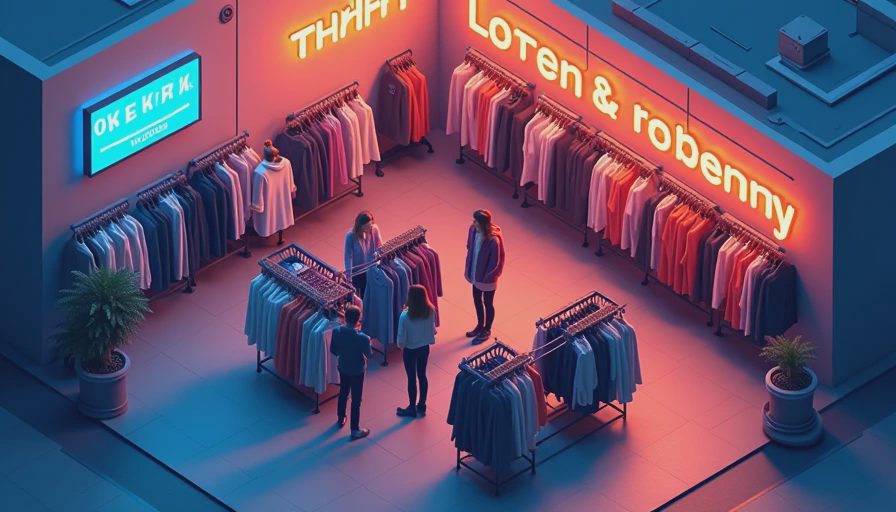
I still remember the rush of finding my first serious designer piece secondhand: a navy wool blazer from a French house that still had its original lining tags. I paid $45, which felt like a steal, but more than that, it felt like a secret win. That blazer taught me that **secondhand designer clothing** isn't just about saving money—it's about owning better-made clothes with real character. If you're new to this world or just looking to sharpen your strategy, here's everything I've learned about hunting, evaluating, and wearing pre-loved luxury.
Why Buy Secondhand Designer Clothing in the First Place?
Let's get the obvious out of the way: price. A cashmere sweater that originally retailed for $800 might show up on The RealReal for $120. But the real magic is the quality. Designer pieces are often constructed with superior fabrics and finishing that fast fashion can't touch. I've owned a secondhand silk blouse for four years that still looks better than anything I've bought new at Zara. Plus, buying secondhand keeps those clothes out of landfills. According to ThredUp's 2023 Resale Report, buying one used item instead of new saves about 1 pound of carbon emissions. When you buy **secondhand designer clothing**, you're voting for a slower, more thoughtful fashion system.
Where to Shop for Secondhand Designer Clothing
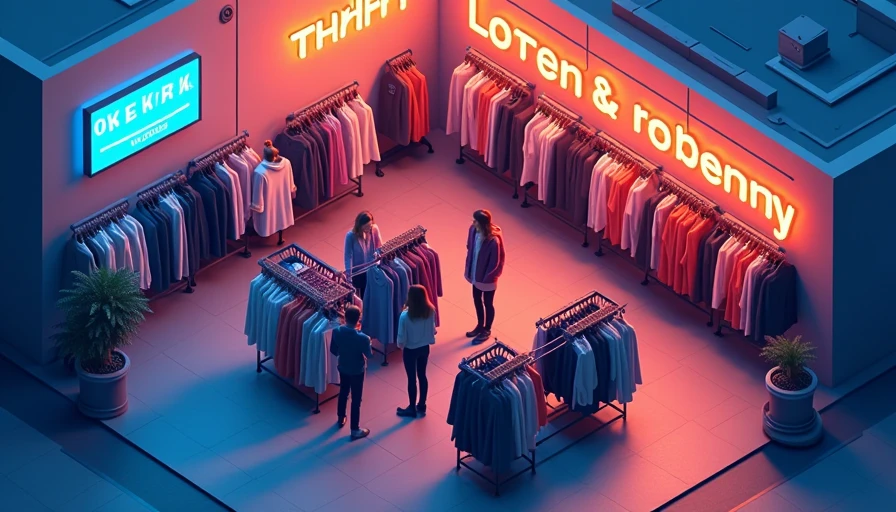
The platforms matter, and each has its own personality. The RealReal is my go-to for authenticated luxury labels—they handle verification, so you're less likely to get a fake. ThredUp has a designer section that's more affordable, though you need to check condition photos closely. For European labels, Vestiaire Collective is excellent. And don't sleep on local consignment shops: I've found Prada loafers at a Portland consignment store for $80. eBay is a wildcard, but if you search for specific brand names and filter by condition, you can score deals. My advice? Start with one platform and learn its quirks. Search for "**secondhand designer clothing**" plus the brand you want, and set alerts for size and price range.
What to Look for When Buying Secondhand Designer Clothing
Authenticity is the biggest fear, and honestly, it's valid. But there are telltale signs: even stitching, quality zippers (YKK or branded), and lining that feels substantial for the price. I always check the care label—if it's faded or missing, be wary. Condition is next: look for pilling, stains, and odors. A small flaw might be fixable, but a major tear often isn't. Focus on materials like wool, silk, cashmere, and leather—they age gracefully. And think about timelessness: a classic trench coat or a leather tote will serve you longer than a trendy print. When you're browsing, ask yourself: "Will I still want to wear this in five years?" If yes, it's a keeper.
How to Style Secondhand Designer Clothing for Everyday Wear
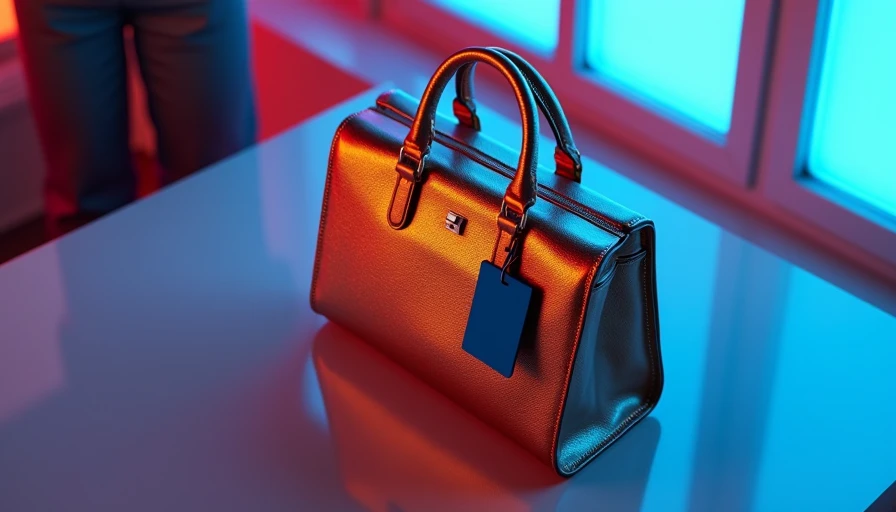
The easiest way to make a designer piece feel current is to mix it with everyday basics. That vintage Chanel tweed jacket? Throw it over a white tee and straight-leg jeans. A Gucci belt from the early 2000s looks great cinching a midi dress from Uniqlo. The goal isn't to look like you're wearing a costume—it's to let the designer piece add quiet polish. I often style a secondhand silk scarf as a top or tied to my bag; it's a small detail that elevates everything. Remember, **secondhand designer clothing** works best when it feels like yours. Don't be afraid to alter pieces that don't fit perfectly—a good tailor can work wonders.
The Hidden Costs of Secondhand Designer Clothing
Let's talk real talk: buying secondhand isn't always a total bargain. Authentication fees on some platforms eat into savings. Dry cleaning a delicate silk blouse adds up. And sometimes a piece needs repairs—replacing a zipper or relining a coat can cost $50–$150. Factor that into your budget. I once bought a beautiful Dior dress that turned out to have a small deodorant stain that never came out. Lesson learned: always Zoom in on photos. That said, even with extra costs, buying **secondhand designer clothing** is still usually cheaper than buying new, and you get far better quality for the same money.
Frequently Asked Questions About Secondhand Designer Clothing
**Is it safe to buy secondhand designer clothing online?** Yes, if you stick to reputable platforms with authentication guarantees. Avoid deals that seem too good to be true.
**How do I know if something is authentic?** Learn the brand's signature details—logo font, stitching pattern, serial numbers. Many brands have guides online.
**Can I resell my secondhand designer clothing?** Absolutely. Some pieces even appreciate in value if they're rare or in excellent condition. ThredUp and The RealReal both accept consignments.
**What's the best season to buy?** Summer tends to have lower prices because demand dips. Also, right after holidays often brings new inventory as people clean out their closets.
Start Small, Think Long-Term
You don't need to overhaul your wardrobe overnight. Pick one piece you'd love to own—a leather jacket, a wool coat, a silk dress—and start searching with intention. The joy of **secondhand designer clothing** is in the hunt and the story. Every piece has a past, and now you get to give it a future. Wear it again, but better.


Travellers Write
No letters yet — be the first traveller to write.