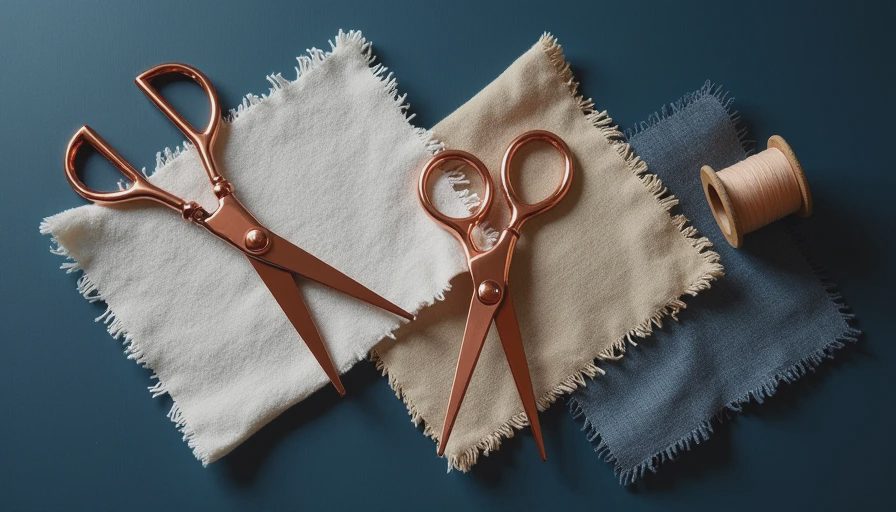
If you’re trying to build a wardrobe that feels intentional and lasts beyond a single season, the fabric is where you should start. I’ve spent years buying clothes that looked good on the hanger but felt wrong after a few wears—pilling, sweating, or just going limp. Switching to the best natural fabrics for clothing changed how I dress, not just in terms of comfort but in how often I actually reach for something. Natural fibers breathe, age gracefully, and, when sourced thoughtfully, have a lighter footprint on the planet. Here’s what I’ve learned about the top contenders.
Organic Cotton: The Reliable Workhorse
Organic cotton is probably the first fabric that comes to mind when you think “natural,” and for good reason. Unlike conventional cotton, which uses heavy pesticides and synthetic fertilizers, organic cotton is grown with methods that build soil health and use less water. It feels soft, gets softer with washing, and holds color well. I love it for basics—tees, underwear, and button-downs. Brands like Pact and tentree make affordable organic cotton staples that hold up. My favorite white tee from Organic Basics is still going strong after three years. The catch? It can wrinkle easily and isn’t as breathable as linen, but for everyday comfort, organic cotton remains one of the best natural fabrics for clothing.
Linen: The Warm-Weather Hero
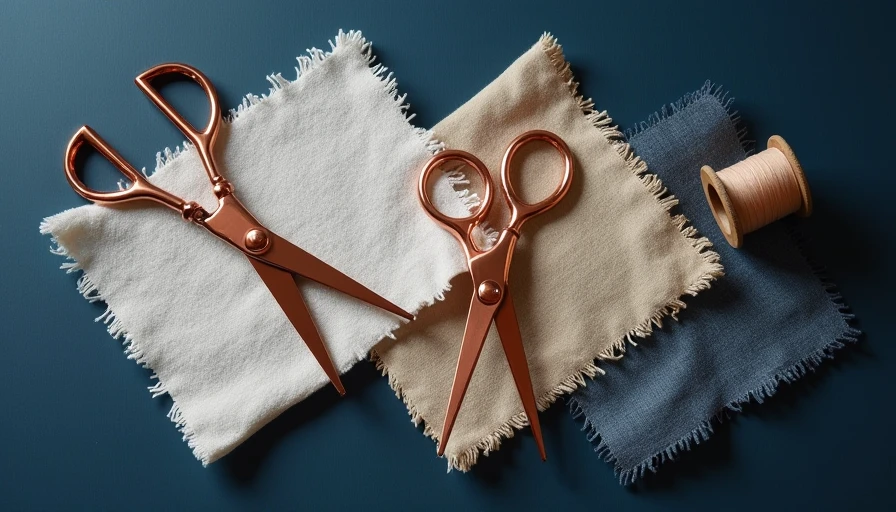
Linen is my go-to for summer. Made from flax plants, it’s incredibly breathable and moisture-wicking, which means you stay cool even when the temperature climbs. It also gets softer with every wash, and its natural texture adds a relaxed, effortless look to any outfit. I have a pair of linen trousers from Elizabeth Suzann that I’ve worn almost weekly for four summers, and they’re just now starting to show signs of age. Linen is also low-maintenance—if you embrace the wrinkles, you’ll save time on ironing. Just be aware that it’s less elastic than cotton, so it may feel stiff at first. For hot climates or humid days, linen is definitely among the best natural fabrics for clothing.
Hemp: The Sustainable All-Rounder
Hemp is a true sustainability champion. It grows quickly without much water or pesticides, and it naturally suppresses weeds. The fabric feels similar to linen but is slightly softer and more durable. Hemp-blend fabrics are common, but 100% hemp options are gaining traction. I’ve tried hemp denim from Patagonia and hemp-cotton tees from Jungmaven, and both have held up remarkably well. It’s also naturally antibacterial, so it stays fresher longer between washes. I’d say hemp is one of the most underrated picks for the best natural fabrics for clothing, especially for pants and jackets.
Tencel Lyocell: The Comfortable Newcomer
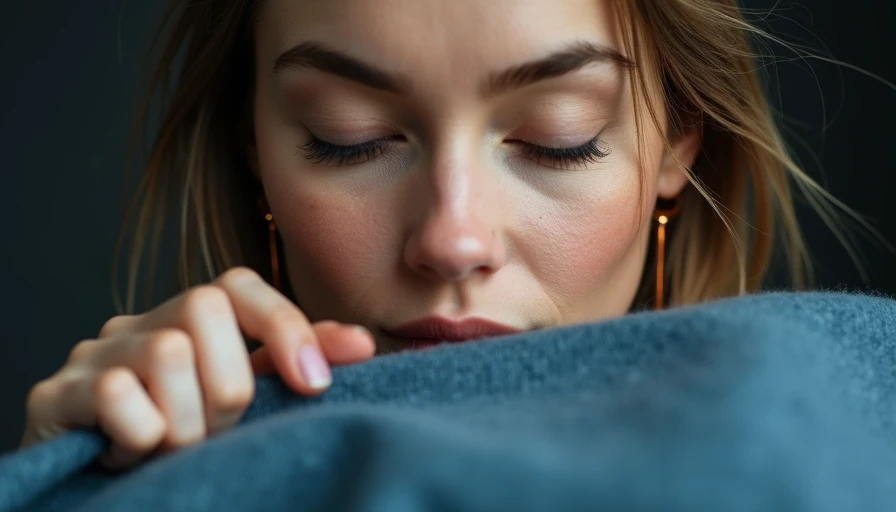
Tencel (brand name for lyocell) is made from wood pulp, typically eucalyptus, using a closed-loop process that recycles water and solvents. The result is a silky, drapey fabric that feels like a cross between cotton and rayon but is more eco-friendly. I love Tencel for dresses, tees, and activewear—it breathes, wicks moisture, and resists wrinkles. Brands like Amour Vert and Reformation use it extensively. However, some environmental advocates raise concerns about deforestation if the wood isn’t certified. Still, when sourced responsibly (look for FSC-certified), Tencel lyocell is an excellent option for those looking for the best natural fabrics for clothing that also offer luxury feel without the high cost of silk.
Wool and Silk: Classics That Last
Wool and silk are natural fibers with long histories, but they require more care. Merino wool is fantastic for base layers and sweaters—it insulates well, resists odors, and can be worn multiple times before washing. I wear a Smartwool merino tee for travel because it’s wrinkle-resistant and quick-drying. Silk, on the other hand, is a luxury fiber that shines for special pieces like blouses and slips. It’s delicate, but proper care makes it last for years. While not as widely recommended for everyday basics, both earn a spot on any list of the best natural fabrics for clothing when you want something durable and timeless.
How to Choose the Right Fabric for Your Wardrobe
Start by considering your climate and lifestyle. If you live somewhere humid, linen and Tencel will serve you better than cotton. If you need warm layers, reach for wool. And if you’re buying basics you’ll wear constantly, organic cotton or hemp blends are tough to beat. The best natural fabrics for clothing aren’t just about sustainability; they’re about building a wardrobe you actually want to wear again and again. Experiment with one new fiber at a time—you might find that swapping a polyester tee for a linen one changes how you feel in your clothes, and that’s a small shift that adds up.
Frequently Asked Questions About Natural Fabrics
**Q: Are the best natural fabrics for clothing more expensive than synthetic options?**
A: Not always. While organic cotton and hemp can cost slightly more upfront, they last longer and reduce the need for frequent replacements. You can find affordable basics at brands like Pact and Jungmaven. Over time, natural fabrics often save you money.
**Q: How do I care for natural fabrics to make them last?**
A: Wash in cold water, skip the dryer when possible, and use mild detergent. Linen and hemp actually get softer with each wash, while wool and silk require gentle care. Reading care labels is key.
**Q: Do natural fabrics wrinkle easily?**
A: Some do—linen and cotton are prone to wrinkles. But many people see that as part of their charm. If you prefer crisp looks, Tencel lyocell resists wrinkles well. For a relaxed style, embrace the creases.
**Q: Which natural fabric is best for sensitive skin?**
A: Organic cotton and hemp are hypoallergenic and soft. Wool can be scratchy for some, so start with merino. Silk is also gentle but delicate.



Travellers Write
No letters yet — be the first traveller to write.