
If you're wondering how to thrift effectively, you're not alone. Thrifting can feel like a treasure hunt, but without a plan it’s easy to come home with a bag of things you never wear. I’ve been there—spending hours flipping through racks only to leave with a polyester blazer I’ll never touch. Over time, I learned that a little strategy goes a long way. Here’s how to sho secondhand with intention, so every trip yields pieces you actually love.
Why a Strategy Matters
Thrifting without a plan is like grocery shopping when you’re hungry—you grab what looks good in the moment, but it rarely works out. When you know how to thrift effectively, you save time, money, and closet space. Instead of impulse buys, you come home with items that fill a real gap in your wardrobe. For me, that means going in with a mental list: I need a black wool blazer under $20, a pair of high-waisted jeans in my size, or a silk blouse that doesn’t have stains. This focus keeps me from getting distracted by the endless novelty.

The Golden Rules of Thrifting
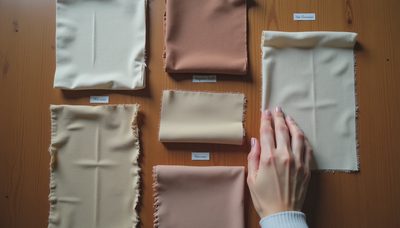
After hundreds of thrift runs, I’ve narrowed it down to three non-negotiables that make all the difference. First, **touch everything.** Quality fabric like 100% cotton, linen, wool, or silk feels different from polyester blends. Run your hand over the rack—if it doesn’t feel good, don’t bother. Second, **check for damage.** Bring a small flashlight or use your phone light. Look for stains, holes, pilling, and ripped seams. A $5 sweater with a small moth hole can be an easy fix, but a $15 dress with a huge rip in the seam might not be worth the alteration cost. Third, **know your measurements.** Thrift store sizing is all over the place, so take your waist, hip, and shoulder measurements in inches. Hold the garment up to your body—if the shoulders line up, it’s usually a good sign.
What to Look For (and What to Skip)
Learning how to thrift effectively also means knowing what’s worth your time. **Always scan for natural fibers:** 100% merino wool sweaters, linen trousers, silk scarves, and leather bags. These are the items that last decades and look better with age. Brands like J.Crew, Banana Republic, and Patagonia show up frequently and hold up well. Vintage Levi’s 501s are a holy grail—find them for $20 instead of $100+. On the flip side, **skip fast fashion** brands like Shein, Forever 21, or Zara. The materials are often low-quality and the construction won’t survive multiple washes. If you see a $4 polyester dress that looks cute but feels flimsy, leave it. Also skip anything with broken zippers or major alterations unless you’re handy with a sewing machine—repairs add up fast.
How to Make Thrifting a Habit
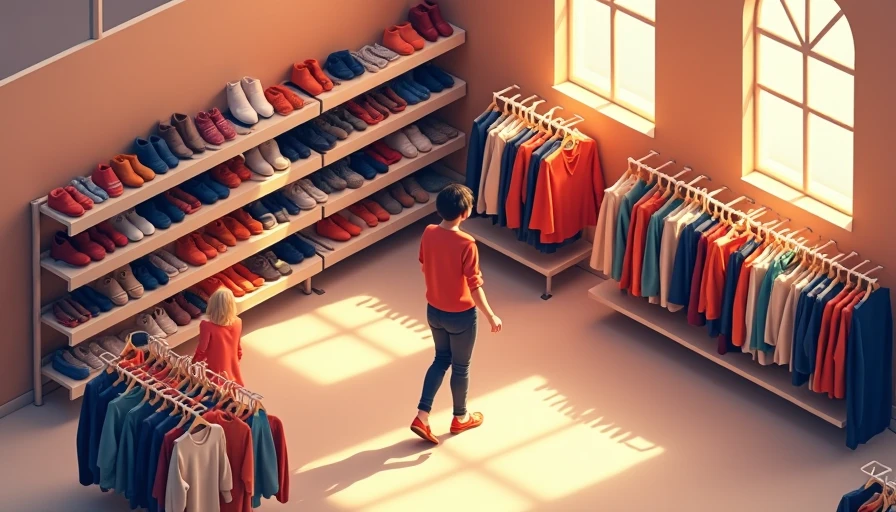
Thrifting effectively isn’t a one-time thing—it’s a skill you build. Start with small, regular trips. I like to stop by my local Goodwill once every two weeks, just for 20 minutes. That way, I’m not pressured to find something each time. Over a month, you’ll see the inventory rotate and spot the good stuff. Another tip: **shop in affluent neighborhoods** if you can. The donations tend to be higher quality. In Portland, I hit the suburbs for designer brands and barely-worn basics. Finally, keep a running list of what you actually need—right now I’m looking for a cream linen blazer and a midi skirt in a neutral print. When you see it, grab it. Hesitation is the enemy of a great thrift find.
A Pre-Trip Checklist for Smarter Thrifting
To master how to thrift effectively, a little prep before you leave can save you time and regret. Here’s a quick checklist to run through before you hit the store:
- **Set your budget:** Know how much you’re willing to spend. I bring $30 max for a casual trip.
- **Write a want list:** Be specific. “A navy blazer” not just “jacket.”
- **Check your measurements:** Write down your waist, hip, and shoulder inches.
- **Bring a flashlight or use phone light:** For checking fabric condition in dim corners.
- **Pack a measuring tape:** Some thrift stores have them, but having your own helps.
- **Wear something easy to change:** Slip-on shoes and clothes that are easy to try on over.
- **Plan your route:** Know which stores rotate inventory on what days. Goodwill restocks Monday mornings in my area.
When you follow this list, you’ll walk in focused and walk out with pieces you’ll actually treasure. That’s the real win when you’re learning how to thrift effectively. I printed this list and taped it inside my wallet. It’s saved me countless bad purchases. With this system, you'll cut impulse buys by half and start building a cohesive wardrobe from thrift stores alone.
Putting It All Together
The real secret to thrifting effectively is patience and intentionality. You won’t always strike gold, and that’s okay. Each visit teaches you something—about what works on your body, what fabrics you love, and what trends are actually worth chasing. I’ve replaced half my wardrobe with secondhand pieces and saved hundreds of dollars. More importantly, I feel good about what I wear because each piece was chosen, not just bought. So next time you walk into a thrift store, take a breath, touch the fabrics, and stick to your list. Wear it again, but better.
*This article is part of our Secondhand, Better series, where we share practical tips for building a sustainable wardrobe without the guilt trip.*


Travellers Write
No letters yet — be the first traveller to write.