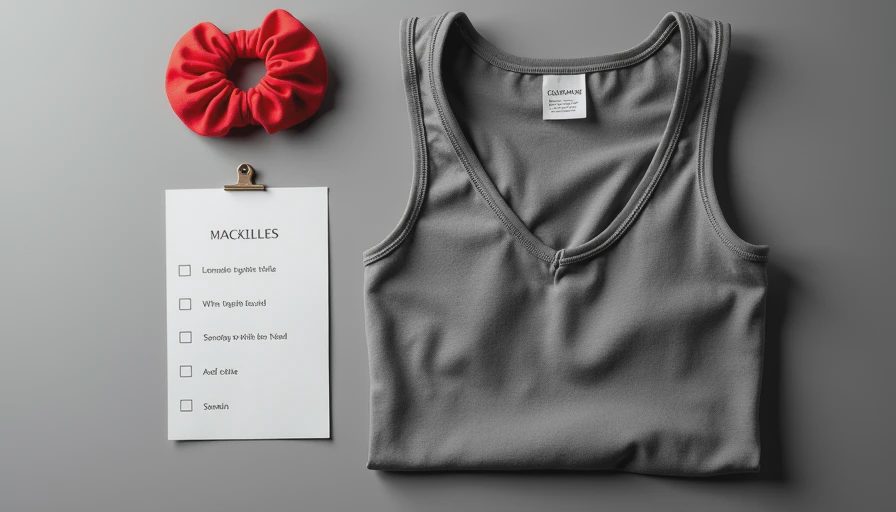
If you’re wondering **how to wear fewer clothes**, I think the first shift is mental, not logistical. Most of us do not actually need a giant wardrobe; we need a smaller one that makes more sense. I say that as someone who used to buy plenty of “good” pieces that were lovely in theory and strangely absent from my real life. Learning to wear less is not about deprivation or pretending you no longer care about style. It is about building a closet where more items earn their place, more outfits get repeated, and getting dressed feels easier. Wear it again, but better.
Start with what you already reach for
Here’s what I’d actually do if I were starting from scratch: ignore the fantasy self for a minute and look hard at the clothes already in heavy rotation. The black trousers you wear twice a week, the faded jeans that always work, the white shirt that survives both coffee dates and office days, the cardigan you grab when nothing else feels right, those pieces are your wardrobe language. They matter more than the trendy purchase sitting untouched with tags on.
To figure out **how to wear fewer clothes**, make a short list of your true repeat heroes. Aim for 10 to 15 pieces across tops, bottoms, layers, and shoes. Then ask why they work. Is it the fabric, the color, the ease, the silhouette, the washability? This sounds basic, but it is the difference between buying more clothes and buying the right clothes less often.
A closet gets crowded when every item solves a different niche problem. A useful closet gets smaller when several pieces solve many problems at once. That is the whole game.
Build around combinations, not individual items
One reason people struggle with wearing less is that they shop item by item instead of outfit by outfit. A beautiful blouse can still be a bad buy if it only works with one pair of pants and one version of your mood. On the other hand, a simple ribbed knit tank in cream, black, or chocolate can become the quiet backbone of twenty looks.
When I think about **how to wear fewer clothes**, I think in combinations. Can this skirt work with sneakers, loafers, and boots? Does this jacket layer over dresses and denim? Can this top go casual with vintage Levi’s and polished with trousers? If the answer is yes across multiple settings, the piece is pulling real weight.
Try creating a mini matrix: three tops, three bottoms, two layers, and three shoe options. Even that tiny group can produce a surprising number of outfits. Suddenly, fewer clothes stop feeling restrictive and start feeling edited.
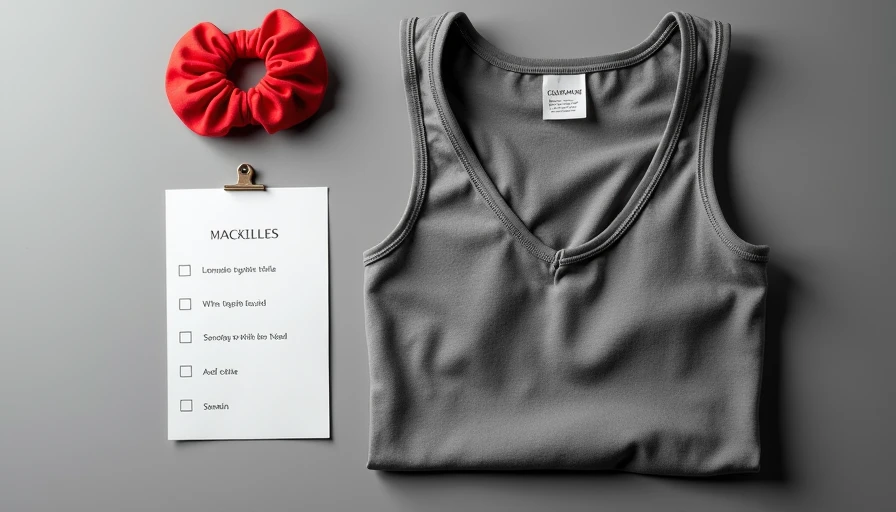
This is also where color helps. You do not need a beige personality to have a versatile wardrobe, but you do need some visual harmony. Repeating a few colors across your closet makes remixing easier and prettier.
Repeat outfits on purpose, not by accident
A lot of the anxiety around wearing less is really anxiety about being seen in the same thing again. I get it. Fashion culture trained many of us to believe that visible repetition equals a lack of creativity. In real life, though, personal style usually looks more convincing when there is continuity.
If you want to know **how to wear fewer clothes** while still feeling stylish, stop treating repeated outfits like a failure. Treat them like signatures. Maybe your version is relaxed jeans, a crisp oversized shirt, and gold hoops. Maybe it is a slip skirt, fitted tee, and chunky sweater. Maybe it is wide-leg trousers with a tank and an old blazer. The point is not to reinvent yourself every morning.
What keeps repetition fresh is small variation: a belt, a sweater over the shoulders, different shoes, a different bag, sleeves rolled, shirt half-tucked, jewelry changed, lipstick added. You don’t have to do this perfectly to do it better. Familiarity can actually make an outfit feel more like you.
I think this is one of the most freeing parts of a lower-consumption wardrobe. You stop performing novelty and start refining taste.
Shop less by getting more honest
Sometimes the real answer to **how to wear fewer clothes** is learning why you keep acquiring more than you wear. For me, it was a mix of boredom, aspirational shopping, and the little thrill of a package arriving. None of that made me better dressed.
Before buying something new, ask a few unglamorous questions. What will I wear this with next week? Does it fit my actual climate and routine? Can I picture three outfits immediately? Would I still want it secondhand, without the marketing story around it? Those questions cut through a lot.

If you love shopping, redirect the instinct instead of trying to become a saint overnight. Save screenshots to a style folder. Visit a thrift store with a tight list rather than scrolling random sale pages at midnight. Set a 72-hour pause before buying. Repair something. Clean your shoes. Re-style a dress you have neglected. This is less about moral purity and more about useful habits.
And if you do shop, I would rather see someone buy one excellent secondhand wool coat or a well-made pair of loafers than five cheap trend pieces that never settle into real use.
Make fewer clothes feel better through care and fit
A smaller wardrobe works best when the clothes in it are comfortable, maintained, and actually flattering on your body as it exists today. Not your someday body, not your old body, not the body imagined by a brand’s strange sizing chart.
Part of learning **how to wear fewer clothes** is removing the friction that makes you avoid good pieces. Hem the pants that drag. Replace the missing button. De-pill the knit. Steam the shirt. Resole the boots if they still have life in them. Tailoring a favorite pair of trousers for $20 to $40 can do more for your wardrobe than another impulsive top ever will.
Care also creates attachment. When you wash less aggressively, store knits folded, use a sweater comb, and mend small damage early, pieces last longer and look better. That keeps them in rotation, which is the whole point.
Fewer clothes only feel luxurious when they function well. Otherwise, minimalism just feels annoying.
Create a personal rule set you can actually keep
The most sustainable version of **how to wear fewer clothes** is the version you can live with. You do not need a perfect capsule wardrobe, a ten-item closet, or a year-long no-buy unless that genuinely suits you. What works better is a clear rule set with enough flexibility to feel human.
Maybe your rules are: no buying occasionwear without a rental or secondhand search first; one in, one out for denim; no trend purchase unless you can style it three ways from memory; only buy natural-fiber sweaters; track thirty wears before replacing basics. Maybe you decide to do monthly closet reviews instead of emotional clean-outs.
The goal is not less for the sake of less. The goal is a wardrobe that supports your life, reflects your taste, and wastes less money, time, and attention. That is a much more interesting ambition than endless newness.
If I were summarizing **how to wear fewer clothes** in one sentence, it would be this: choose pieces that do more, repeat them with intention, and care for them like they matter. Wear it again, but better.

Travellers Write
No letters yet — be the first traveller to write.