
Slow Fashion Wardrobe: How to Build One You’ll Actually Wear
Slow fashion wardrobe tips for building a stylish closet with fewer, better pieces. Learn what to keep, buy secondhand, and rewear well.
A **slow fashion wardrobe** is not a beige uniform, a shopping ban, or a test of moral purity. It is simply a closet built to be used well: fewer impulse buys, more outfit mileage, and pieces you genuinely want to wear on an ordinary Tuesday. If you are tired of owning a lot but feeling like you have nothing right, this approach can feel like a reset. Wear it again, but better. That is the energy here.
Start with what already earns its place
If I were starting from scratch, I would not begin by shopping for an idealized sustainable self. I would start by looking closely at what I already reach for. The backbone of a slow fashion wardrobe is not fantasy; it is evidence. Pull out the jeans that always work, the sweater you wear on repeat, the jacket that makes simple outfits feel finished, the shoes you instinctively choose when you are in a rush. Those pieces are telling you something useful about your real style.
Then separate your closet into three rough groups: wear often, wear sometimes, and almost never wear. The goal is not to purge aggressively. It is to notice patterns. Maybe you love crisp button-downs but never wear stiff blazers. Maybe slip skirts look beautiful on the hanger but your life actually calls for easy trousers and knit dresses. This is less about judgment and more about useful habits. A slow fashion wardrobe gets stronger when you stop buying for a life you do not live.
Choose fewer categories, then buy better within them
Once you know what you actually wear, edit by category rather than by trend. Most people do not need five versions of every possible item. You probably need one or two great white tees, a pair of jeans that fits now, a knit that layers well, everyday shoes that can handle real walking, and a coat that earns its storage space. When you identify your true categories, shopping becomes calmer and much less random.
This is also where quality matters more than quantity. A slow fashion wardrobe does not require luxury prices, but it does ask for more attention. Check fabric content. Natural fibers like cotton, wool, linen, and silk often age better, though blends can be practical too. Look at seams, closures, lining, and whether the piece can survive repeated wear and washing. I would rather own one sturdy wool sweater from a good secondhand seller than three flimsy acrylic ones bought in a panic because the weather changed.
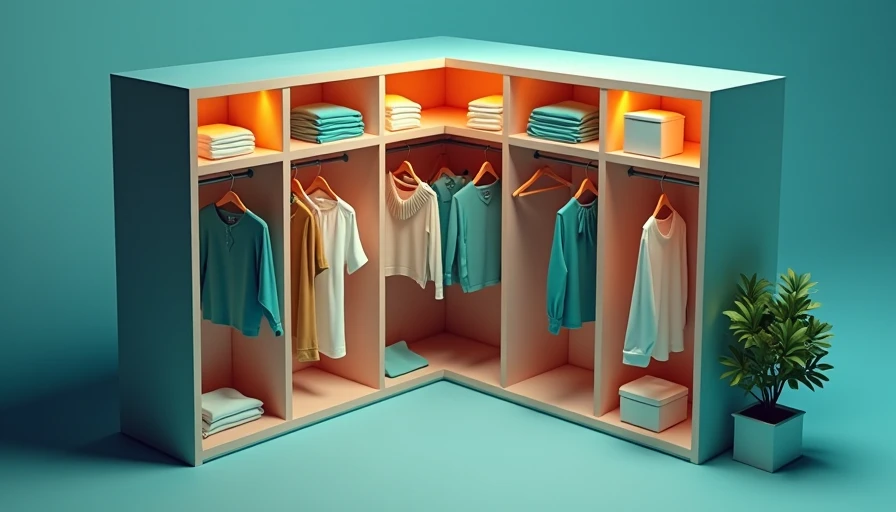
Price-per-wear is not the only metric, but it is a helpful one. A $120 pair of loafers worn twice a week for years can be a smarter buy than a $35 pair that pinches, scuffs, and gets abandoned by November.
Use secondhand as your secret weapon
For many readers, secondhand is the most realistic path to a slow fashion wardrobe. It lowers the pressure, stretches your budget, and gives you access to better-made pieces that might otherwise feel out of reach. The trick is to shop secondhand with intention, not with treasure-hunt chaos. Search for specific items, fabrics, and brands instead of scrolling endlessly for a dopamine hit.
A few search terms I actually use: “100% wool crewneck,” “straight-leg dark wash jeans,” “black leather ankle boots,” or “cotton poplin oversized shirt.” On sites like ThredUp, Poshmark, eBay, The RealReal, or local consignment shops, specificity helps you avoid buying something that is merely interesting. Ask yourself whether the item fills a real gap, works with at least three outfits, and feels like you rather than a brief style crush.
Secondhand also makes experimentation gentler. If you are curious about wide-leg trousers, a trench, or a slightly more polished handbag, buying pre-owned lets you test the shape without committing full retail dollars. That is one of my favorite slow fashion wardrobe strategies because it leaves room for style to evolve without turning your closet into a graveyard of expensive mistakes.
Make outfit repeating feel chic, not lazy
A slow fashion wardrobe only works if you enjoy wearing the same things again. That sounds obvious, but emotionally it is the part many of us need to relearn. We have been trained to treat visible repetition as boring when, in reality, personal style usually gets better through repetition. The magic often comes from small styling shifts: a different shoe, a knit tied over the shoulders, a swapped belt, layered jewelry, a coat with stronger structure.
Try building a three-ways rule for your closet. Before buying something new, imagine at least three outfits you would wear in the next month. Then do the same exercise with what you already own. A white shirt can go with relaxed denim and loafers, a silk skirt and boots, or under a crewneck with trousers. Repetition creates clarity. You learn your proportions, your comfort zone, and the details that make an outfit feel finished.
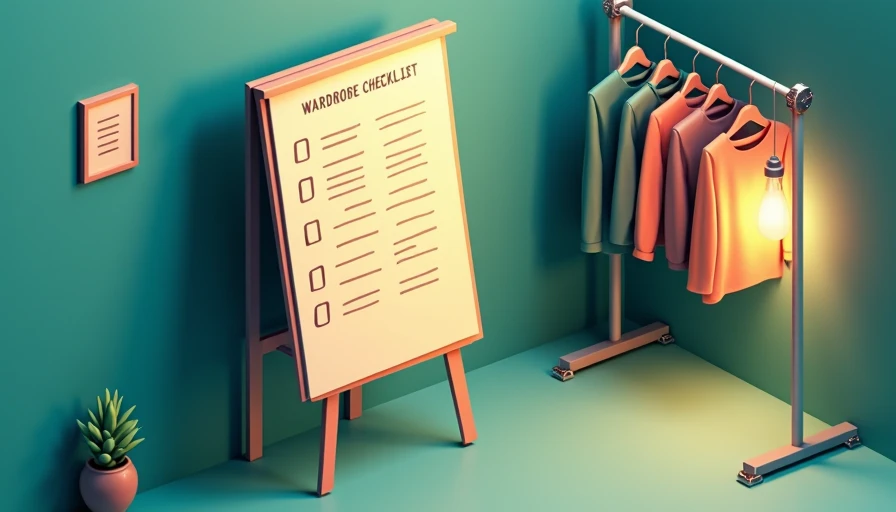
This is where the phrase “wear it again, but better” really earns its keep. The goal is not endless novelty. It is deeper familiarity with clothes that deserve your time.
Care, mend, and adjust before replacing
One of the least glamorous but most powerful parts of a slow fashion wardrobe is maintenance. Clothes last longer when they are washed less aggressively, stored properly, and repaired early. If you do nothing else, switch to cooler washes, air-dry more often, and learn basic stain treatment. It is amazing how many pieces get written off for problems that are fixable with ten patient minutes.
Simple mending also changes your relationship to clothing. Re-sew a button. Take shoes to a cobbler before the soles are wrecked. Hem trousers that almost work. Remove pilling from knits. Patch denim you love instead of replacing it with a pair that never fits quite as well. You do not have to become a sewing expert to keep more of your wardrobe in motion.
And yes, tailoring can be worth it. A $20 to $40 adjustment on a secondhand blazer or pair of pants can turn a “pretty good” purchase into a staple. In a slow fashion wardrobe, small fixes often create more value than another new order ever will.
Build slowly and leave room for real life
The best slow fashion wardrobe is not the one that looks perfect in a checklist graphic. It is the one that supports your actual days: work, errands, dinner, weather shifts, laundry gaps, body changes, and all. That means you do not need to replace everything at once. Start with one category that causes daily friction. Maybe your basics are worn out. Maybe your shoes are uncomfortable. Maybe your coats do not match how you dress now. Fix the pressure point first.
Give yourself a loose plan for the next season instead of a total reinvention. Keep a short wish list on your phone. Wait a week before buying. Save outfit photos so you can spot what you repeat and what you ignore. If a brand markets itself as sustainable, still ask whether the piece is versatile, well made, and worth bringing into your life. Expensive does not automatically mean aligned.
You do not have to do this perfectly to do it better. A thoughtful slow fashion wardrobe is built one honest choice at a time, with more discernment, more rewear, and a lot less noise.