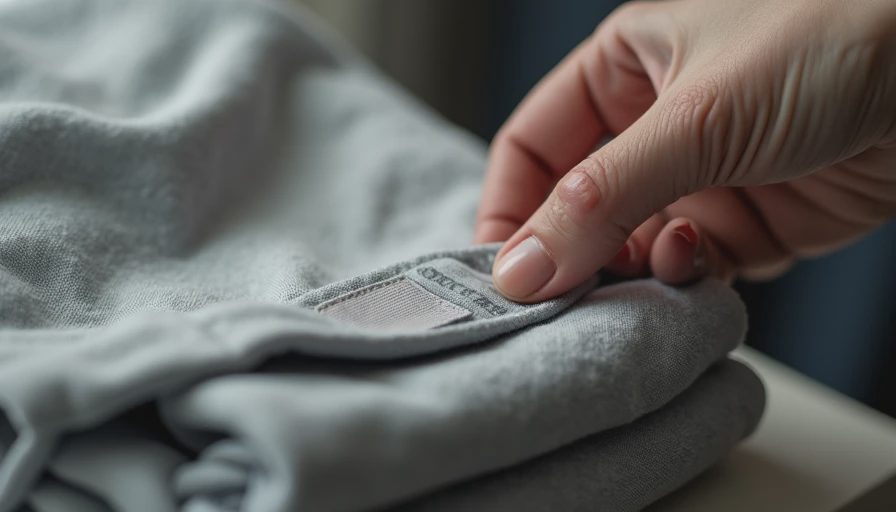
If you’ve been circling the idea of dressing more thoughtfully, you’ve probably run into the phrase **capsule wardrobe vs slow fashion** and wondered whether they’re basically the same thing. They overlap, but they are not identical. A capsule wardrobe is mostly a wardrobe structure: fewer pieces, more outfit mileage, less decision fatigue. Slow fashion is a broader mindset: buy less, choose better, keep clothes longer, and pay attention to quality, labor, and waste. One is a method. The other is a philosophy. And in real life, most of us end up borrowing from both.
A capsule wardrobe is about editing
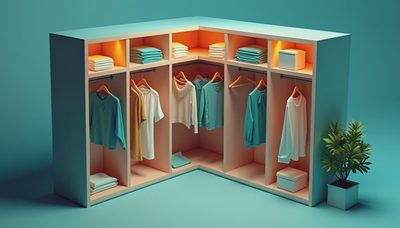
A capsule wardrobe is the more visible, Pinterest-friendly concept. Think 25 to 40 pieces you can mix easily: jeans that actually fit, a few tops you reach for on repeat, a jacket that works hard, shoes you can walk in, and maybe one dress that reliably saves you when you don’t know what to wear. The point is not deprivation. The point is usefulness.
What I like about a capsule is that it turns style into something practical. You stop shopping for fantasy versions of yourself and start noticing what earns its place. If you own three black knits and only wear one, that’s information. If your loafers work with trousers, denim, and dresses, that’s value. A good capsule teaches you your real silhouettes, colors, and comfort thresholds.
It can also be a little misleading online. Some capsule content makes it seem as if the goal is visual sameness or a perfectly beige life. It isn’t. A capsule wardrobe can be colorful, playful, vintage-heavy, or slightly chaotic in the best way. The core idea is just tighter editing and better repeat wear.
Slow fashion is about pace, values, and longevity
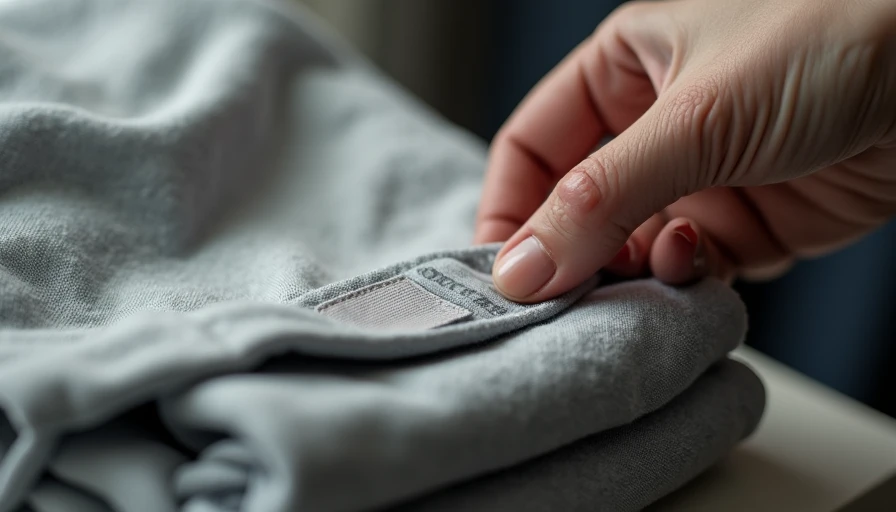
Slow fashion is wider than closet organization. It asks different questions: Who made this? What is it made from? Will I wear it for years, not weeks? Can I repair it, resell it, or pass it on? It pushes back against trend churn and disposable clothing without pretending you have to become a perfect consumer overnight.
This is where the **capsule wardrobe vs slow fashion** conversation gets useful. You can build a capsule full of fast fashion basics and still be operating outside a slow fashion mindset. On the flip side, you can care deeply about slow fashion and still own more than capsule math usually allows because you love style, live in a four-season climate, or rely on secondhand finds that need flexibility.
Slow fashion is less about hitting a magic number and more about building habits. Rewearing. Repairing. Buying secondhand first. Waiting 72 hours before impulse purchases. Learning that a $28 top worn twice is often more wasteful than a $140 sweater worn for five winters. You don’t have to do this perfectly to do it better.
Where they overlap beautifully
The sweet spot is when a capsule wardrobe supports slow fashion habits. A smaller, better-edited closet helps you see what you already have, which naturally cuts random shopping. You notice gaps more clearly. You stop buying duplicates by accident. You learn that outfit repeating is not a failure of creativity; it is often proof that your wardrobe is finally working.
That overlap is why so many people start with one and drift into the other. Maybe you begin with a capsule because your closet feels chaotic. Then you realize you don’t want to keep replacing flimsy tees every six months, so fabric quality starts to matter. Or maybe you start with slow fashion values and then discover that editing your wardrobe makes those values easier to practice.
I’ve found the most useful shift is moving from “Do I love this?” to “Will I actually live in this?” That question quietly filters out a lot: itchy fabrics, special-occasion-only pieces, trend buys with a short emotional shelf life, and sale items that are cheap but oddly hard to style. Wear it again, but better.
The biggest mistakes people make with both
With capsules, the common mistake is turning the concept into a shopping list. People declutter aggressively, then immediately buy a “capsule uniform” they saw online: white shirt, trench, straight-leg jeans, ankle boots. If those pieces suit your life, great. But if you work from home, walk everywhere, or love dresses more than denim, that formula can become another costume.
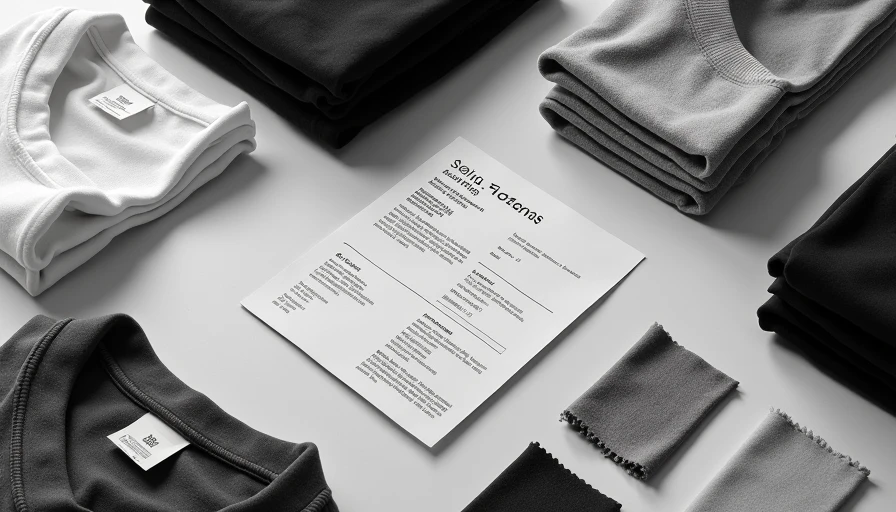
With slow fashion, the mistake is treating every expensive “ethical” brand as automatically virtuous or worth the price. Sometimes the construction is excellent. Sometimes the marketing is better than the garment. Natural fibers are great, but they are not a guarantee of durability, fit, or fair labor. And buying a lot of sustainable fashion is still, well, buying a lot.
In the **capsule wardrobe vs slow fashion** debate, neither approach works well when it becomes performative. You do not need a minimalist aesthetic to be thoughtful. You do not need to throw out your entire closet to start over. In fact, the most sustainable wardrobe is usually the one you already own, used more skillfully.
How I’d actually decide which approach to start with
If your main problem is overwhelm, start with a capsule exercise. Pull your most-worn pieces for the last month. Build 10 to 12 easy outfits. Notice the gaps. Maybe you need a better black pant, not another statement blouse. Maybe your shoes are the real issue. This gives you immediate clarity.
If your main problem is overbuying, guilt-shopping, or feeling trapped by trend churn, start with slow fashion habits. Make a one-in, one-out rule for a while. Learn basic garment care. Try secondhand search terms before buying new. Check fiber content. Save a short tailoring budget for hems, buttons, and waist adjustments. Those small moves change your wardrobe more than another haul ever will.
For most people, the answer to **capsule wardrobe vs slow fashion** is not either-or. It’s a blend. Use capsule thinking to simplify. Use slow fashion to guide your choices. Keep what fits, flatters, and gets worn. Buy less, but with more intention. Repeat outfits without apology. That’s the version that tends to last because it works in real life, not just in a mood board.
A simple middle-ground formula
Here’s what I’d actually do if I were starting from scratch: keep a core of dependable everyday pieces, allow room for personality, and slow down the rate of new purchases. Aim for a closet where getting dressed feels easy but not boring. Maybe that means 70% practical staples, 20% expressive pieces, and 10% seasonal fun. Not strict rules—just useful proportions.
Before buying anything, ask three questions: Can I style it at least three ways with what I own? Does the fabric and construction feel built for repeat wear? Am I excited to wear it next month, not just today? If the answer is yes, great. If not, pause.
That, to me, is the most grounded answer to **capsule wardrobe vs slow fashion**. A capsule helps you edit. Slow fashion helps you choose. Together, they create a wardrobe that feels lighter, smarter, and much more like your actual life.

Travellers Write
No letters yet — be the first traveller to write.