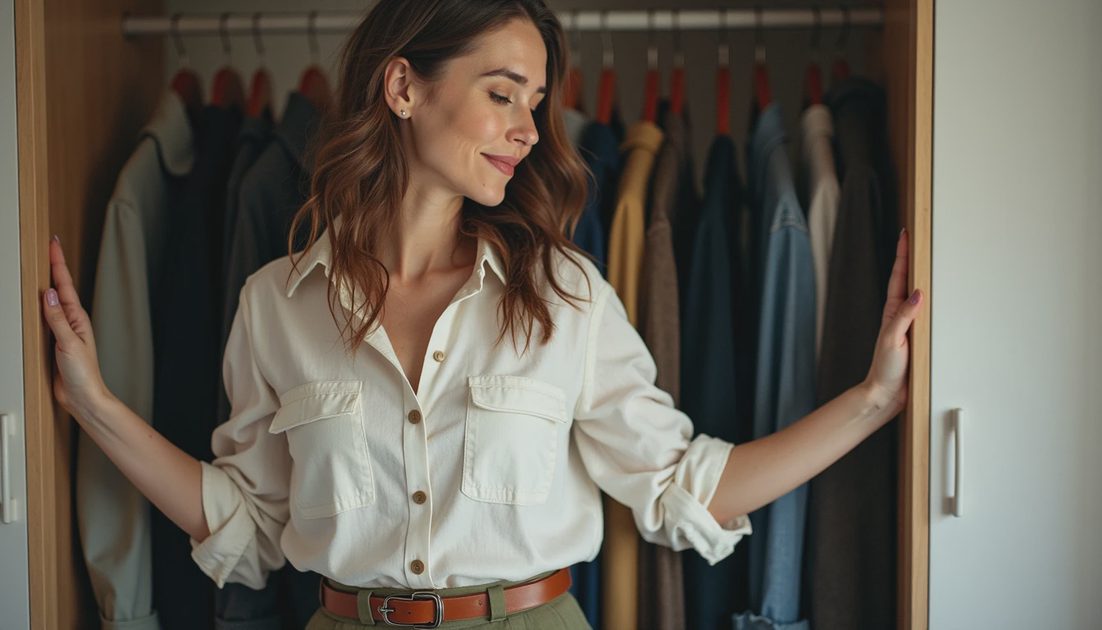
I used to approach outfit formulas the way most people do: I'd read about someone's capsule wardrobe — 33 pieces, or 40 pieces, a specific color palette and silhouette structure — and I'd try to build my wardrobe backward from that template. It never worked. I'd end up with pieces that fit the formula on paper but didn't fit my actual getting-dressed experience.
The shift happened during that no-buy month I wrote about earlier. I wasn't shopping, so I was working with what I had, and I started noticing something: certain pieces showed up in my outfits constantly, certain combinations kept recurring, and certain silhouettes seemed to work with nearly everything else I owned.
Instead of trying to force my wardrobe into a template, I decided to reverse-engineer the formula from the clothes I was actually wearing.
What the No-Buy Month Revealed
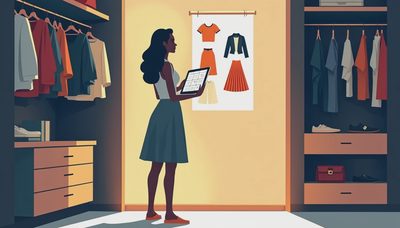
For the four weeks of the no-buy challenge, I kept loose notes on what I wore. Nothing elaborate — just outfit sketches and a few words about the context (work from home, running errands, coffee with a friend, etc.). By the end of the month I had rough data on frequency and combination patterns.
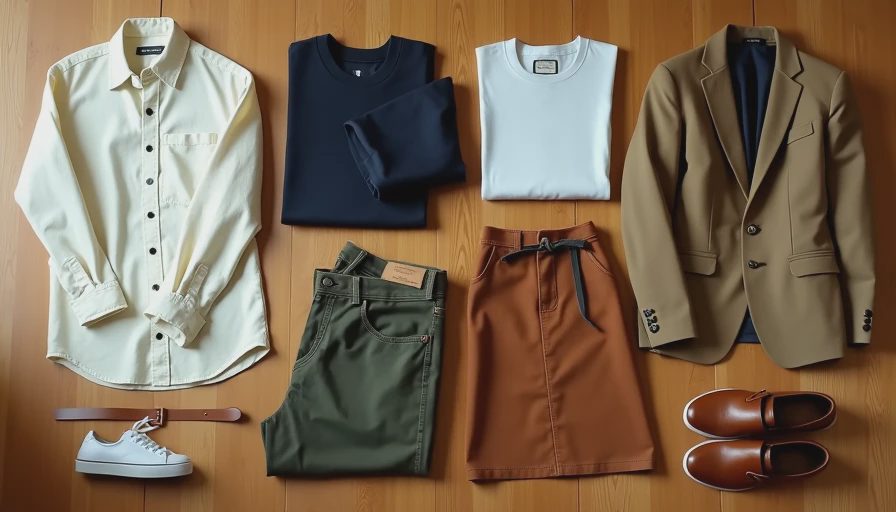
What showed up constantly:
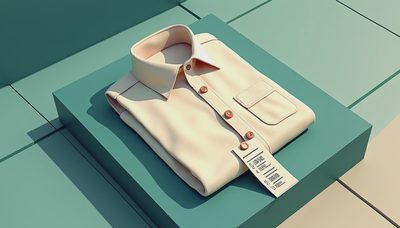
Linen or cotton button-ups in neutral colors — cream, soft white, pale grey. These layered under almost anything and worked for both casual and slightly more considered occasions. I owned three and wore each of them at least twice a week. They were clearly working harder than almost anything else I owned.
High-waisted trousers in neutral tones — olive, navy, black. The high waist mattered; it changed the proportions and made tucking work. Lower-rise trousers from my twenties mostly sat unworn. The silhouette shift was significant.
A simple cashmere crewneck in a neutral — I owned one in oatmeal and it layered into literally every outfit. It was the most-worn single piece I had, bar none.
Straight-leg dark-wash denim — Not trendy, not fitted, just good-quality straight-leg jeans. I wore these probably three times a week.
A structured blazer in camel or navy — When I needed to look put-together, this was the piece. The structured silhouette did a lot of work.
Simple shoes that actually get worn — white leather sneakers for everyday, cognac loafers for slightly dressier, a pair of simple flats for the rare occasions that called for it. The key was that I actually wore them. I had other shoes I rarely touched.
A thin leather belt — This small piece shifted proportion constantly. It appeared in more outfits than seemed logical.
What didn't show up: statement pieces, seasonal pieces, anything that required a specific "vibe" or occasion to work. The clothes that were working all had a quiet, functional quality. They were good basics, but they were also good in a specific way — good construction, fabrics that worked with each other, silhouettes that had proportional logic.
Building the Formula
Once I saw the patterns, the formula was almost obvious. It wasn't a capsule wardrobe — I had more pieces than the strict definition allows — but it was a working formula.
The structure is simple:
Base layers: Neutral-toned button-ups and knits in natural fibers. These are the things that go under, over, or form the foundation of almost every outfit.
Bottoms: High-waisted structured trousers and simple jeans in neutrals. The silhouette consistency matters — when everything fits the same way at the waist, everything combines more easily.
An outerwear piece: The structured blazer. I tried keeping multiple outerwear options and found I kept reaching for this one. Rather than fighting that, I leaned into it.
Accessories: Belt, simple shoes, minimal jewelry. The belt showed up constantly so it became a core piece. The shoes are chosen for actual wearability, not aspirational occasions.
One flexible piece: For me, this is a rust-colored wool skirt. It's not neutral, it doesn't fit the strict color palette, but it appears in my outfit notes frequently enough that it's clearly part of how I dress. Rather than trying to force color restriction, I acknowledged this as a "flexible piece" — something that works with the formula even though it doesn't perfectly follow it.
The palette evolved naturally from the no-buy notes. Cream, white, soft grey, navy, olive, camel, rust. Not a rule I imposed; a palette that kept showing up because I kept wearing those colors.
What This Reveals About Actual Personal Style
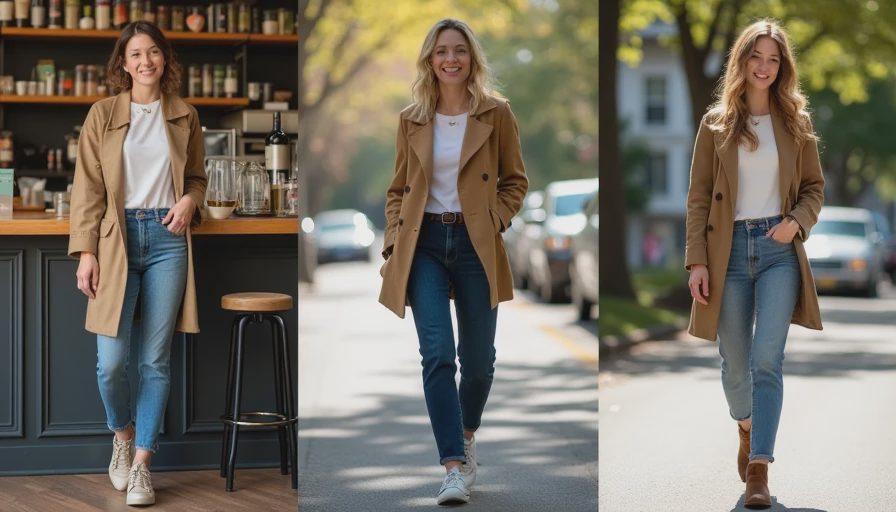
Here's what surprised me most: my actual outfit formula is pretty boring. If someone described it, they'd probably say "neutral basics and simple silhouettes." That's not a particularly exciting aesthetic in theory.
But in practice, it works. I get dressed quickly. I don't open my closet and feel overwhelmed. I reach for things and they coordinate. I look put-together without trying hard. That's valuable in a way that "interesting aesthetic" isn't.
There's a cultural narrative that personal style should be distinctive and memorable. There's another narrative that it should be aspirational and beautiful. Most people's actual daily experience doesn't match either of those. Most people just want to get dressed and move on with their day, and they want to feel okay about how they look while doing it.
My outfit formula serves that. It's not aspirational. It's honest.
The other thing the formula revealed: I have genuine color preferences that I wasn't admitting. I wear olive constantly. I wear rust and camel more than I thought. I almost never wear bright colors. When I acknowledged what was actually showing up in my outfit notes rather than fighting it, the whole system became easier.
How to Do This With Your Own Wardrobe
The process is simpler than it sounds:
Step one: For 2-4 weeks, note what you wear. You don't need a spreadsheet. A notes app, a small notebook, even just a mental tally — the point is to create enough data to see patterns.
Step two: Look for the pieces that show up most frequently. These are your working pieces. They're not necessarily your favorites — they're just the ones that function.
Step three: Look for the combinations that keep recurring. What pieces show up together? What silhouettes work with what other silhouettes?
Step four: Look for the patterns underneath. Color palette, silhouettes, aesthetics. What's actually true about how you dress when you're not thinking about it?
Step five: Let that become your formula, rather than fighting it. If you're a statement-jewelry person, build that in. If you're a neutral-colors person, own that. If you're someone who actually wears dresses, allocate wardrobe space to dresses rather than pretending you're a jeans person.
The formula that emerges won't look like a capsule wardrobe. It might have more pieces, or fewer. It might have an unexpected color or silhouette in it. That's the point. It's actually yours, not a template you're trying to fit into.
That's the only formula that sticks.
Travellers Write
No letters yet — be the first traveller to write.