I used to think I was getting a deal with Zara. A trendy blazer for $60? Yes, please. But after a few washes, the lining would pucker, a button would pop off, or the hem would start to fray. That’s when I started paying closer attention to what I was actually buying. This Zara vs ethical brand quality comparison isn’t about moral purity — it’s about what you get for your money and how long it stays in your closet.
Fabric Quality: Fast Fashion vs. Ethical Materials
Zara’s clothing is almost entirely made from synthetic blends — polyester, viscose, and nylon — with occasional cotton pieces that are often thin and loosely woven. The feel is acceptable on the first wear, but these fabrics pill, lose shape, and show wear quickly. Ethical brands like Everlane, Patagonia, and Reformation use higher-quality materials: organic cotton, Tencel lyocell, and responsibly sourced wool. The difference is noticeable in the hand feel and in how the garment holds up after repeated washing.
For example, a Zara wool-blend coat might be 30% wool and 70% acrylic, while an ethical brand’s coat is typically 100% wool or a dense wool-cashmere blend. The warmth and longevity are just not comparable. If you live in a cold climate, that Zara coat will likely need replacing after two winters — an ethical brand’s version could last a decade with proper care.
Construction and Longevity: Where the Real Difference Shows
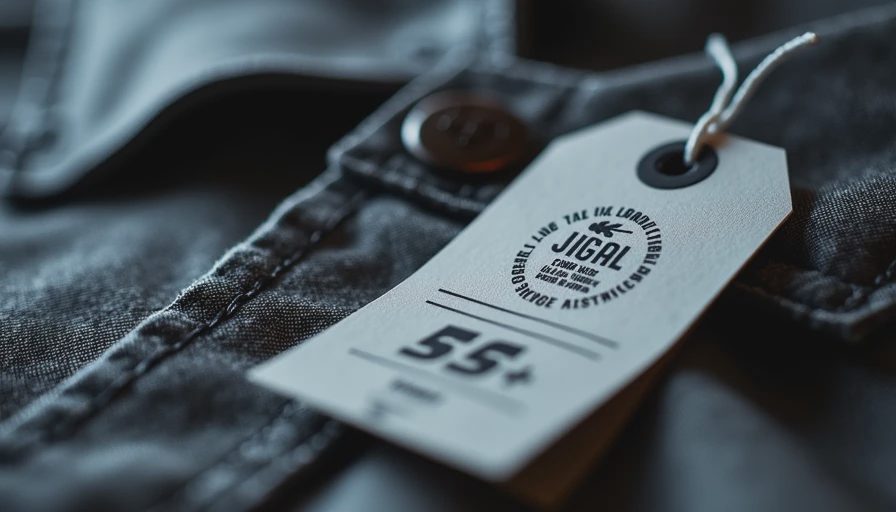
Construction is where the gap widens even more. On Zara pieces, I’ve noticed uneven stitching, loose threads, and poorly attached linings. The buttons feel flimsy, and zippers sometimes snag. Ethical brands invest in better finishing: reinforced seams, real horn or coconut buttons, and YKK zippers. These details add cost, but they also add years to a garment’s life.
Take a simple pair of linen trousers. Zara’s version ($50) might have a single row of stitching on the side seams and a thin drawstring. An ethical brand like Eileen Fisher or Mara Hoffman ($200) uses French seams, a tailored waistband, and thicker linen that softens without weakening. After a year of weekly wear, the Zara trousers will likely show strain at the seams; the ethical pair will look even better.
Price Per Wear: The Hidden Math
This Zara vs ethical brand quality comparison becomes clear when you calculate cost per wear. Let’s say you buy a Zara dress for $70 and wear it five times before it starts to look tired. That’s $14 per wear. An ethical brand dress for $180 might be worn 30 times over several years, dropping the cost per wear to $6. And because the ethical dress is less trendy, you’re more likely to keep wearing it past one season.
I’ve done this math on my own wardrobe. A Zara sweater I bought two years ago is now pilled and stretched out — maybe 15 wears total. A cashmere sweater from Naadam (a more ethical brand) I bought at the same time is still in heavy rotation, about 40 wears and counting. The Naadam was more expensive upfront ($95 vs. $40), but it’s already cheaper per wear and will continue to be.

A Real-World Wardrobe Test
Last year, I bought a Zara blazer and a blazer from ABLE (an ethical brand with transparent pricing). Both were black, single-breasted, and similar in style. I wore each at least 10 times. The Zara blazer lost a button, and the lining ripped at the armhole after the 8th wear. The ABLE blazer still looks new — no loose threads, no fading, and the shoulders keep their shape. That’s not a fluke; it’s the result of different quality standards.
How to Decide What to Buy
You don’t have to swear off Zara forever. Sometimes you need a specific trend piece for a short period, or you’re on a tight budget. But for basics and workhorses — coats, jeans, boots, silk blouses — an ethical brand often wins on value. Before you buy, ask yourself: Will I wear this at least 30 times? If the answer is no, maybe Zara is fine. If yes, invest in something built to last.
This Zara vs ethical brand quality comparison isn’t about being perfect. It’s about making smarter choices most of the time. Buy less, choose better, and wear it again — but better.
Frequently Asked Questions About Zara vs Ethical Brands
Q: Is Zara ever worth buying?
A: Yes, if you need a trendy piece for a single event or your budget is very tight. Just know it likely won’t last more than a few wears. For wardrobe staples, an ethical brand is usually a better investment.
Q: How can I tell if an ethical brand is actually better quality?
A: Check fabric content (higher natural fiber percentages are a good sign), look at seam finishes, and read reviews about longevity. Brands like Patagonia, Everlane, and Reformation are known for transparency and durability.
Q: What about price? Isn’t it always higher?
A: Upfront cost is higher, but as this Zara vs ethical brand quality comparison shows, cost per wear is often lower. Plus, many ethical brands have sales or secondhand options that reduce the initial price.
Q: Can I extend the life of Zara clothes?
A: Yes, to an extent. Wash in cold water, hang dry, and mend small tears immediately. But because the materials are weaker, they’ll still wear out faster than a well-made ethical piece.
Q: What’s the biggest difference you noticed?
A: Durability. Ethical brands’ clothes look good after multiple washes; Zara’s often look tired after a few. That single factor makes the ethical choice more satisfying long-term.

Travellers Write
No letters yet — be the first traveller to write.