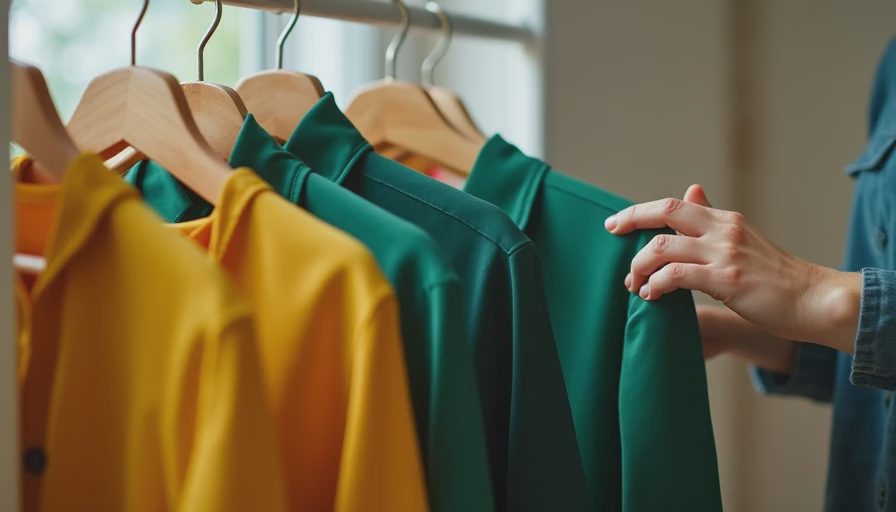
Secondhand Zara Worth Buying: How to Spot the Pieces That Last
I spent years working in fashion, so I know the rush of a fast-fashion hit. Zara delivers that—but it also delivers a lot of clothing that doesn't survive more than a season. After making the shift to secondhand shopping, I've had to learn which Zara pieces are actually worth the hunt. Let me tell you: not every Zara item belongs in your closet. But when you know what to look for, a secondhand Zara worth buying can be a real find. These are the pieces that hold their shape, feel substantial, and still look current after years of wear.
First, let's talk about what makes a Zara garment worth rescuing. Zara's quality varies wildly—even within the same season. Some items use natural fibers or well-constructed synthetics, while others are cheaply made and destined to pill or fall apart. The key is to look for structure, fabric content, and a timeless silhouette. Avoid anything that screams „trend of the moment” unless you're absolutely certain you'll still love it next year.
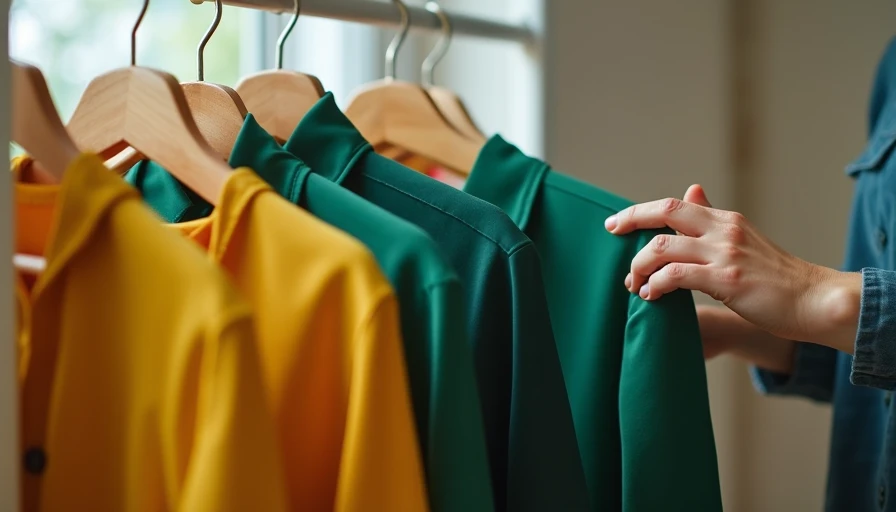
What to Look For: Fabrics and Construction
The single most reliable indicator of a secondhand Zara worth buying is the fabric composition. Check the tag: wool blends, 100% cotton, linen, and Tencel are good signs. Avoid acrylic-heavy knits and flimsy polyesters unless they're outerwear or a specific texture (like a faux leather that feels substantial). I've thrifted several Zara wool-blend trousers that feel almost as good as my vintage Pendletons. The construction matters too: look for lined blazers, double-stitched seams, and zippers that don't catch. If the garment has visible loose threads or a crooked seam, leave it—it will only get worse.
Categories That Deliver: What to Grab First
After years of secondhand hunting, I've narrowed down the categories where Zara consistently overdelivers.
Tailored outerwear – Zara's wool-blend coats and trench coats are often excellent. They have good weight, classic cuts, and flattering proportions. I've seen these go for $20–$40 on Poshmark, and they can easily last five more years with proper care.
Denim and trousers – When Zara uses 100% cotton denim, the jeans hold up well. High-waisted straight legs and wide legs are especially easy to style. Similarly, their tailored trousers in materials like viscose-linen or wool blends are wardrobe workhorses.
Leather and faux leather – Zara's leather-look pieces (jackets, skirts, pants) often use a thick, coated material that doesn't peel like cheaper alternatives. Check for brand names on the tags—they sometimes source from reputable Spanish tanneries.
Knitwear in natural fibers – Cashmere-look blends are hit or miss, but if you find a solid wool or cashmere blend that feels soft (not scratchy), it's worth the buy. Look for items made in Italy or Portugal, which signals better production standards.
What to Skip: The Quick Fades
Not every Zara piece deserves a second life. Skip anything with excessive beading or sequins—they almost always fall off. Avoid polyester blouses that feel stiff or have a shiny finish; they'll look dated fast. Also, pass on anything with complicated front seams or strange draping that likely won't lay right after washing. And when in doubt, check the care label. If it says „dry clean only” for a synthetic piece, that's a red flag for cheap construction.
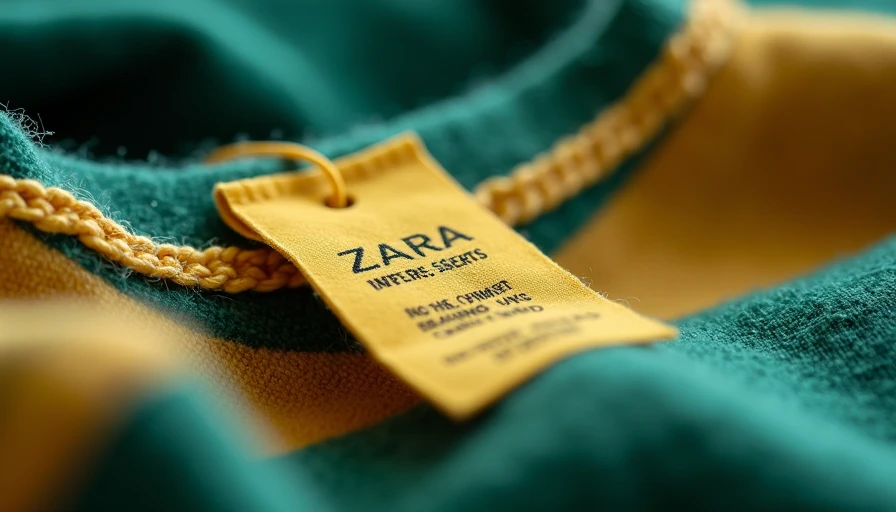
How to Inspect Secondhand Zara Before You Buy
When you're in a thrift store or scrolling online, develop a quick inspection routine. For in-person shopping: feel the fabric, hold it up to the light to check for thinning, and examine seams. For online secondhand Zara worth buying, ask for photos of the tag (both brand and material), close-ups of any wear, and a shot of the lining. I always check the armpits for discoloration and the knees for bagging. If you're on Poshmark or Depop, read the description carefully—sellers usually note flaws. A small pinhole or missing button can be fixed; a large stain or broken zipper often isn't worth the effort.
Where to Find the Best Secondhand Zara
ThredUp has a massive Zara section, though you have to dig through lower-quality pieces. I filter by „good” condition and check the fabric content in the description. Poshmark and Depop are better for hunting specific items—use saved searches like „Zara wool coat” or „Zara 100% cotton.” Local thrift stores in higher-income areas sometimes carry Zara with the tags still on, donated by shoppers who changed their minds. I found a pair of Zara leather-look trousers for $8 that still had the original $70 price tag. One more tip: shop Zara items that are at least two years old. The brand's quality has been declining in recent years, so older pieces are often more durable.
The Bottom Line: Know Before You Buy
Shopping secondhand Zara worth buying is all about being selective. Not everything is a treasure, but the pieces that pass the fabric-and-construction test can become standouts in your wardrobe. I now own three Zara blazers, two pairs of trousers, and a wool coat—all bought secondhand, all worn for years. They cost me less than fifty dollars total and have outlasted far more expensive garments. So next time you're thrifting, don't automatically skip the Zara section. Look for the good stuff, and you'll find pieces that prove fast fashion can have a second act.
Wear it again, but better.


Travellers Write
No letters yet — be the first traveller to write.