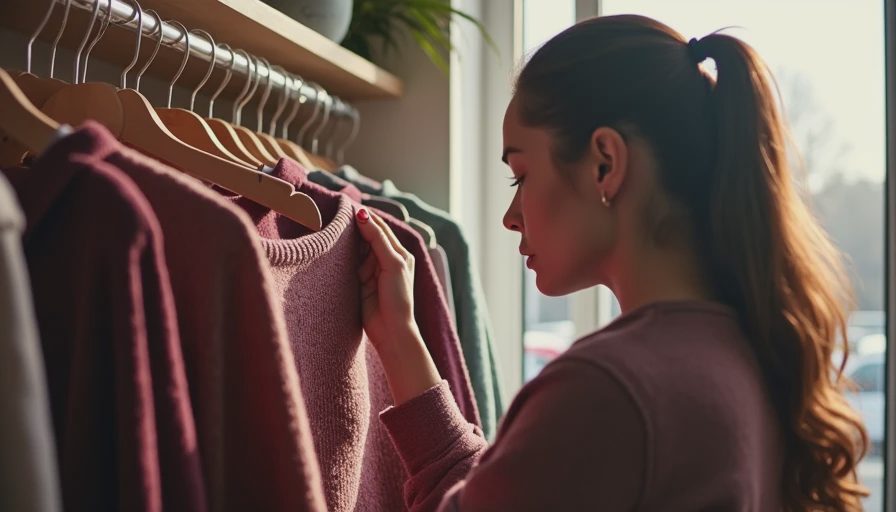
I’ll be honest: I’ve had a complicated relationship with Zara for years. When I was a fashion editor, it was my go-to for trend-driven pieces that looked expensive but weren’t. But lately, I keep hearing the same question from readers: is Zara quality getting worse? After digging through my own closet and comparing recent purchases to ones from five or ten years ago, I think the answer is yes—but not in every category. Let me explain.
What’s Changed in Zara’s Fabrics?
The most obvious shift is in fabric composition. Ten years ago, a Zara wool-blend coat actually had a meaningful percentage of wool. Today, many of their coats are heavy on polyester and acrylic, with wool sometimes dropping below 20%. The same goes for their knitwear: what used to be cotton or merino is now often a slippery, pilling-prone acrylic blend. Dresses and blouses that once had a silk or viscose base now rely on cheaper polyester satin that doesn’t breathe and wears out faster.
This isn’t just my imagination—it’s a reflection of the fast-fashion business model. To keep prices relatively flat while margins tighten, brands like Zara have to cut material costs. The result? Clothes that look good on the hanger but feel thin, flimsy, and less satisfying to wear. I recently bought a pair of trousers that felt almost papery after one wash. That never happened with older Zara pieces I still own.
Construction and Fit Issues
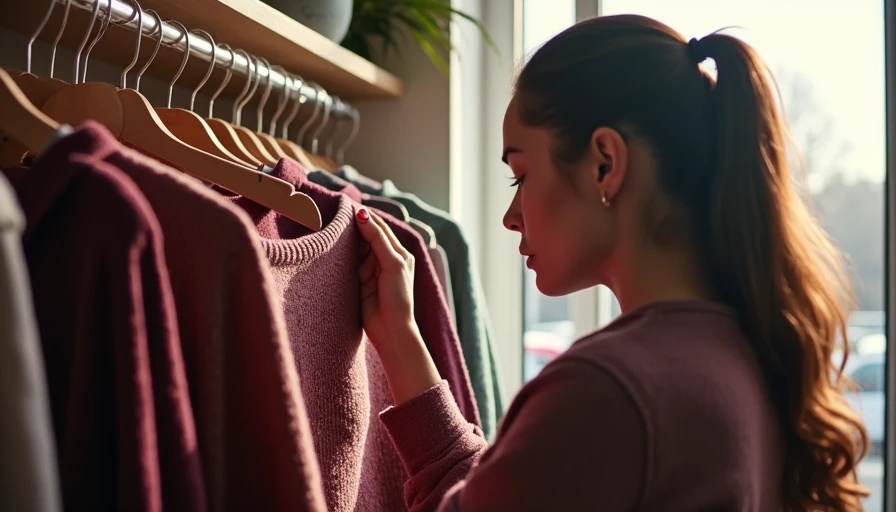
Fabric isn’t the only problem. Construction quality has slipped noticeably. Loose threads, uneven hems, and buttons that fall off after two wears are becoming common. I also hear from readers that sizing is more inconsistent than ever—the same size in different colors of the same style can fit completely differently. That’s a sign of rushed production and less rigorous quality control.
Another thing I’ve noticed: linings are disappearing. Skirts and dresses that used to have a proper lining now don’t, which makes them cling awkwardly and feel cheap. And the internal finishing—like seam allowances and zipper plackets—is often unfinished or poorly attached. For a brand that positions itself as fashion-forward, these details feel like a step backward.
Is It Just Me, or Is Zara Getting More Expensive?
Here’s the frustrating part: prices have gone up while quality has gone down. A simple cotton blouse that cost $30 a few years ago might now be $40 or $50, but the fabric feels thinner. This price-quality decoupling is a big reason why customers are noticing. When you pay more and get less, the value proposition shifts.
Of course, not everything at Zara is bad. I’ve found that their shoes and bags tend to hold up better than their clothing. And some basics—like their 100% cotton t-shirts or denim—are still decent for the price. But for the items I used to rely on for longevity, I’ve had to lower my expectations or look elsewhere.

What to Buy at Zara Instead (and What to Skip)
If you still want to shop Zara but avoid the worst quality drops, here’s my strategy:
- **Skip:** most knits and sweaters (they pill fast), lined blazers (the outer fabric has gotten thinner), and anything with delicate-looking fabric (it’s probably polyester).
- **Buy:** 100% cotton basics, denim (still good for the price), shoes (especially leather), and bags that are mostly leather.
- **Smart move:** check the care label before buying. If a garment says “dry clean only” but feels cheap, it’s probably not worth it.
And if you really love the look of a Zara piece, consider buying it secondhand. Resale platforms like The RealReal or ThredUp often have barely-worn Zara items for less than retail, and you can inspect photos of the fabric and condition more closely than in a store.
Before You Buy: A Quick Checklist to Spot the Drop in Zara Quality
Wondering if Zara quality getting worse is noticeable in a specific item? Use this five-point checklist before you commit:
- **Feel the fabric.** Does it have a substantial hand, or does it feel papery and thin? Hold it up to light—can you see through it? Cheap polyesters and thin cottons are red flags.
- **Check the care label.** Look for natural fibers like cotton, linen, wool, or silk in meaningful amounts. If polyester or acrylic is the main ingredient, expect pilling and shorter life.
- **Inspect the seams and stitching.** Turn the garment inside out. Are seams finished (serged or flat-felled) or raw and frayed? Loose threads aren’t a dealbreaker, but uneven stitching is a sign of rushed production.
- **Test the buttons and zippers.** Give each button a gentle tug. Does it feel secure? Zip the zipper up and down several times—does it glide smoothly or catch? A stuck zipper now means trouble later.
- **Compare to an older piece.** If you have a Zara item from five years ago, feel the fabric side by side. The difference often confirms that Zara quality getting worse is real—and helps you decide if the new piece is worth it.
The Bottom Line
Is Zara quality getting worse? From what I’ve seen and experienced, yes—especially in fabrics and construction details. But that doesn’t mean you have to give up on them entirely. Be more selective, check materials, and don’t assume a higher price means better quality. And if you want pieces that will last, consider shifting your budget toward fewer, better-made items from brands that prioritize construction over trends. Wear it again, but better.


Travellers Write
No letters yet — be the first traveller to write.