A few years ago, Zara launched its Conscious Collection — a line of garments marketed as more sustainable, using organic cotton, recycled polyester, and other eco-friendly materials. It sounded like fast fashion trying to do better. But as a former fashion editor who now writes about sustainable style, I had questions. Does the Zara Conscious Collection greenwashing explained actually match the marketing? I decided to dig into the claims and see what’s real.
What Is Zara's Conscious Collection?
The Conscious Collection started as a limited capsule but quickly became a permanent fixture in stores and online. Zara labels these items with a green tag and promotes them as part of its Join Life initiative, which focuses on reducing environmental impact. The collection includes everything from jeans to dresses to basics, and the materials often feature organic cotton, Tencel, or recycled fibers. For a brand known for churning out thousands of new styles every season, this seemed like a step in the right direction. But when I started looking closer at what actually qualifies for the label, some red flags appeared.
The Greenwashing Claims That Don't Hold Up
Here’s where the Zara Conscious Collection greenwashing explained gets tricky. Zara defines the collection as any garment where at least 50% of the weight comes from preferred fibers (organic, recycled, or more sustainable sources). That sounds good, but the other 50% can be conventional cotton or virgin polyester. That means a shirt labeled Conscious could still be half non-sustainable materials. For example, I found a pair of trousers with 52% organic cotton and 48% conventional cotton — technically qualifying, but hardly revolutionary. Compare that to dedicated sustainable brands that use 95-100% preferred fibers, and you can see the gap.
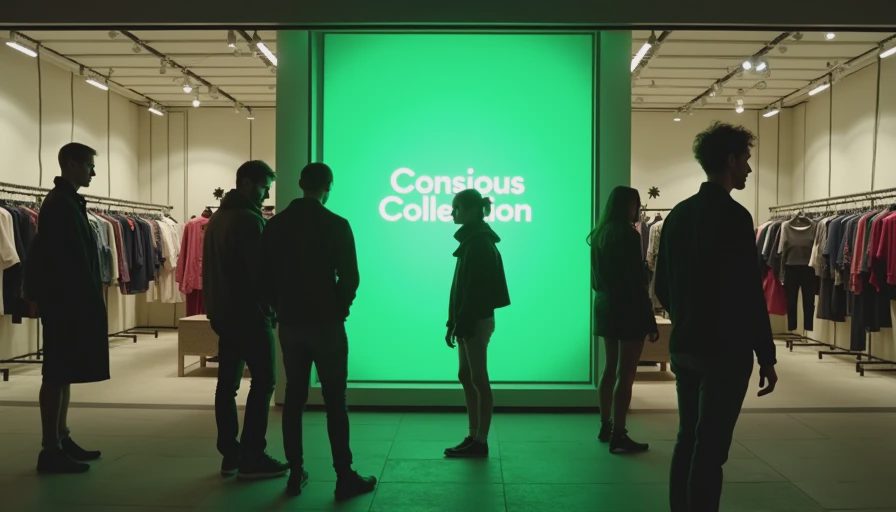
There’s also the issue of production scale. Zara still operates on a fast-fashion model, producing massive volumes and launching new drops twice a week. The Conscious Collection represents only a small fraction of their total output, but the marketing makes it seem like a company-wide shift. This is a classic greenwashing tactic: highlight a few eco-friendly products while the core business remains unchanged. Additionally, Zara’s supply chain transparency is limited — they don’t share factory details for individual Conscious items, making it hard to verify labor or environmental standards.
Where the Collection Actually Does Something Right
To be fair, the Zara Conscious Collection greenwashing explained isn’t all bad. The use of preferred fibers does reduce water usage and chemical inputs compared to conventional production. And the high volume of the collection means that if even a small percentage of shoppers choose Conscious items over standard ones, the overall impact could be meaningful. Some pieces are genuinely well-made and durable — I own a Conscious linen blazer that’s held up for three years of regular wear. The pricing is also accessible, making these items more attainable for budget-conscious consumers who want to try sustainable fashion.
Another positive: the collection has pushed Zara to experiment with new materials. They’ve introduced items made from agricultural waste, like recycled cotton from denim scraps, and they’re testing circular design principles. While these initiatives are still small, they signal that the brand is paying attention to industry trends.
How to Shop the Conscious Collection Without Falling for the Hype
So, what should you do if you’re interested in buying from the Conscious Collection? First, don’t treat the green tag as a guarantee of total sustainability. Use it as one data point among many. Look at the fabric content on the care label — if it’s only 50% organic cotton, consider how much that actually matters for your purchase. Second, ask yourself whether you truly need the item. The most sustainable garment is the one already in your closet, or the one you buy secondhand. Third, prioritize durable styles that you’ll wear for years, not one season. A Conscious Collection trench coat in a classic cut will have a much lower impact than a trendy fast-fashion piece, even if the latter is labeled “eco-friendly.”
Finally, don’t let green marketing pressure you into buying something you don’t love. I’ve seen shoppers grab Conscious items just because they feel like a better choice, but that still feeds the overconsumption cycle. If you can, stick to your principles: buy less, choose well, and make your clothes last. For deeper dive, check out Zara’s sustainability report on Inditex’s website, but take their claims with a critical eye.
Frequently Asked Questions About the Conscious Collection
Is the Zara Conscious Collection greenwashing explained by the brand's own standards?
Zara's definition of "conscious" allows for only 50% preferred fibers. That means a garment can be half conventional materials and still earn the green tag. Compare that to certification standards like GOTS (Global Organic Textile Standard) which require at least 95% organic fibers. So while Zara is technically transparent about their criteria, the bar is set low enough that most of their products would still be considered conventional by other industry benchmarks.
Can you trust the Join Life label?
The Join Life initiative is Zara's broader sustainability program that includes more than just the Conscious Collection. It covers water and energy reduction in production, but the label doesn't specify exactly which practices were used for each item. Without third-party audits, the claims remain self-reported. That doesn't mean they're false, but it does mean you should take them with some skepticism.
What is the real environmental benefit of buying a Conscious item?
According to Zara's own life cycle assessments, using organic cotton reduces water consumption by about 70% compared to conventional cotton. But because fast fashion still encourages overproduction and frequent replacement, even sustainable materials have a net negative if the item is only worn a few times. The most impactful thing you can do is keep wearing whatever you buy — regardless of the label.
The Zara Conscious Collection greenwashing explained ultimately comes down to this: it’s a step in the right direction, but it’s not the solution. Use it as one tool in your sustainable wardrobe, not a reason to shop without thinking. Wear it again, but better.

Travellers Write
No letters yet — be the first traveller to write.