
I’ll admit, I used to roll my eyes at fast fashion’s “green” collections. As a former fashion editor, I’d seen too many vague eco-labels slapped on polyester blends. So when I first heard about the **Zara Join Life collection review** I saw trending, I was skeptical. But after spending a year intentionally buying less and choosing better, I decided to give it a fair shot. I’ve now owned several pieces from the line for over six months, washed them repeatedly, and worn them in real life — not just on a hanger. Here’s my honest take on whether this collection deserves a spot in your wardrobe.
What Is Zara Join Life?
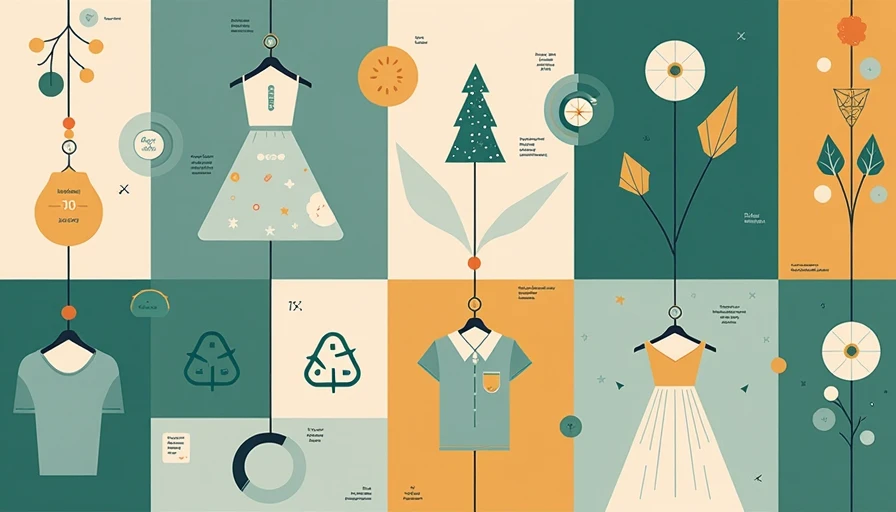
The Join Life label is Zara’s attempt at a more sustainable line. It uses materials like organic cotton, recycled polyester, and Tencel lyocell, and it follows stricter environmental standards during production. Pieces range from basic tees and denim to dresses and outerwear, all at price points slightly higher than Zara’s main line but still affordable (think $30–$80). The brand claims these garments are designed to last longer and have a lower environmental footprint. But does that hold up in practice? I’ve tested a few items to find out.

The Good: What Works in This Collection
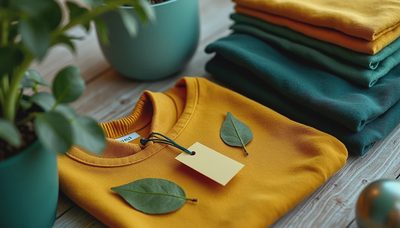
Let’s start with the wins. The organic cotton pieces — especially the tees and button-ups — feel noticeably softer and sturdier than Zara’s standard options. I bought a white organic cotton poplin shirt last spring, and after a dozen washes, it still holds its shape without pulling or thinning. The recycled polyester outerwear also impressed me: a lightweight parka has held up to Portland rain and repeated machine drying without pilling or losing its water resistance. I also appreciate that Zara publishes the Join Life criteria on their website, so you can check exactly which sustainable practices each item meets. That transparency is rare for a fast-fashion giant.
The Not-So-Good: Where It Falls Short
But it’s not all perfect. For one, the Join Life line isn’t a complete sustainability overhaul — it’s still produced within Zara’s massive supply chain, which relies on rapid turnover and global shipping. I’ve also noticed that some items, like a pair of recycled polyester trousers, started showing wear after just three months. The stitching on the inner seams began to fray, which isn’t something I’d expect from a “better” garment. And while the price is lower than many dedicated sustainable brands, it’s still high enough that I want the piece to last more than a season. The **Zara Join Life collection review** wouldn’t be complete without noting that you have to pick carefully: basics like tees and denim seem to perform well, but trendier items might not outlast the trend.
How It Fits Into a Sustainable Wardrobe
Here’s where I think the Join Life line can actually play a useful role — if you approach it with the right mindset. If you need a durable basic like a white tee, a denim jacket, or a simple wool-blend coat, and you can’t find it secondhand in your size within a reasonable time, then buying from this collection is a reasonable choice. It’s an investment in quality at an accessible price point, and the materials are genuinely better than Zara’s standard fare. But I wouldn’t use it as a guilt-free pass to shop the whole trend cycle. Wear it again, but better: treat each piece like a long-term commitment, care for it properly (cold wash, air dry), and don’t let it sit unworn in your closet.
How Does It Compare to Other Sustainable Brands?
To put the Join Life line in perspective, I compared it to two other brands I’ve worn extensively: Patagonia and Everlane. Patagonia’s organic cotton tees cost around $39–$59, similar to Zara’s Join Life tees ($29–$49), but Patagonia offers a lifetime repair guarantee and uses Fair Trade certified factories. Everlane’s “ReNew” line uses recycled materials and is priced slightly higher for basics (think $40 for a tee), but they also provide detailed factory information. Both brands have far smaller product turnover than Zara, which reduces transportation emissions. However, Zara’s Join Life line is more accessible in terms of immediate price and availability — you can walk into almost any Zara store and find these pieces. For budget-conscious shoppers who want a step up from standard fast fashion without jumping to premium prices, Join Life is a valid middle ground. Just understand that if longevity is your top priority, Patagonia’s ironclad warranty and Everlane’s transparency give you greater assurance.
Another brand, Tentree, plants ten trees for every purchase and uses organic materials similar to Zara’s, but their price point is comparable ($38–$68 for a hoodie). I’ve had a Tentree hoodie for two years with no signs of wear — it’s a direct competitor to Zara’s Join Life sweatshirts. The difference is that Tentree’s entire line is sustainable, not a subset, and they openly audit their supply chain. So while Zara’s effort is commendable, it still operates as a fast-fashion behemoth with a limited green line. That doesn’t mean the Join Life pieces are bad — they’re a step in the right direction. But if you can afford to buy from a fully sustainable brand, you’ll likely get better durability and clearer eco-credentials.
Final Verdict: Is It Worth the Price?
After months of wear, I’d say yes — with caveats. The **Zara Join Life collection review** earns a cautious recommendation for basics and key investment pieces. The organic cotton and Tencel items have proven their durability in my wardrobe, and the transparency around materials is a step in the right direction. But skip the trendy fast-fashion cuts within the line; they’re still subject to the same lifespan issues as Zara’s main collection. For me, the Join Life tees and jeans have become repeat-wear staples — and that’s the whole point. You don’t have to do this perfectly to do it better. Even one well-made, long-lasting piece from a greener line is a win over a cart full of disposable fashion.

Travellers Write
No letters yet — be the first traveller to write.