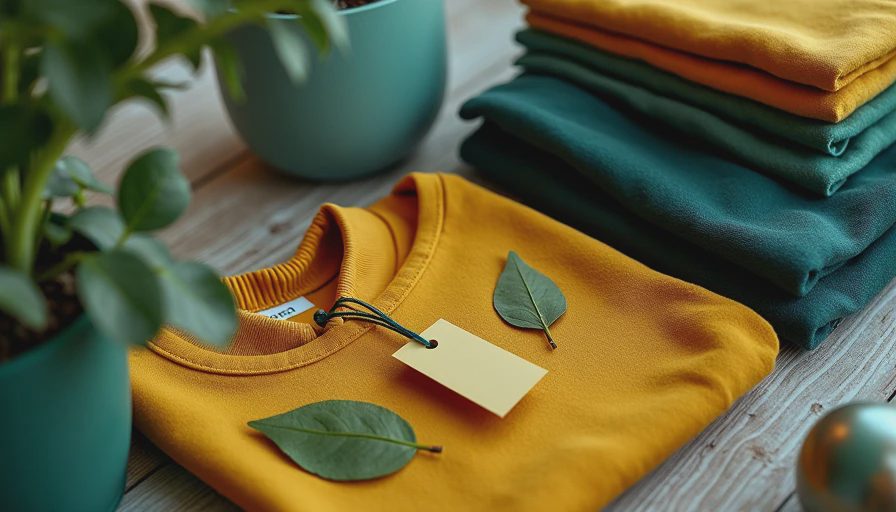
If you’ve ever asked yourself, *is Zara fast fashion or sustainable?*, you’re not alone. Zara is one of the most recognizable names in clothing, but its reputation sits at a messy intersection of trend-driven speed and corporate sustainability pledges. As someone who used to buy into the fast-fashion rush without a second thought, I’ve spent years untangling what brands like Zara actually mean for my wardrobe and values. Here’s the honest breakdown.
What Makes Zara Fast Fashion?
Zara is the flagship brand of Inditex, and it built its empire on speed. New styles arrive in stores twice a week, and the entire supply chain is designed to take a design from sketch to store in as little as two weeks. That rapid turnover encourages impulse buys—you see something, you buy it fast, or it’s gone. The low prices make it feel affordable, but the environmental cost per garment is high: water use, chemical dyes, and synthetic fibers that shed microplastics. Zara also churns through trends, which means many pieces are worn only a handful of times before being discarded. By every traditional definition, yes—Zara is fast fashion.
But Zara Has Sustainability Initiatives—Do They Count?
To its credit, Zara has launched several sustainability programs. The most visible is the **Join Life** label, which indicates garments made with more sustainable materials like organic cotton or recycled polyester. Zara also has clothing collection bins in stores, aiming to recycle or donate used items. They’ve pledged to use 100% sustainable fabrics by 2025 and have invested in renewable energy and water-saving technologies. But here’s the catch: Join Life still only represents a small fraction of Zara’s total production. And recycling programs are hard to scale—much of what gets dropped in donation bins ends up in landfills or shipped overseas. While these efforts are not nothing, they exist within a business model that relies on high volume and low margins. In other words, the sustainability initiatives are real, but they don’t cancel out the fast-fashion engine.
The Middle Ground: Can You Shop Zara Responsibly?
I’m not here to tell you to boycott Zara entirely. I’ve bought Zara pieces I still wear years later, and I know many people rely on the price point. The question *is Zara fast fashion or sustainable?* doesn’t have to be a binary answer. You can shop there more intentionally: Look for the Join Life label, but don’t assume it’s a green light to buy more. Focus on classic cuts and natural fibers that will outlast a season. Resist the urge to buy just because something is cheap—ask yourself if you’ll wear it at least 30 times. And when you’re done with a piece, donate it to a local thrift store rather than tossing it, or sell it on a resale platform like Depop or Poshmark.
How Zara Compares to Other Brands
Compared to ultra-fast fashion brands like Shein, Zara actually looks slightly better—its prices are higher, its quality is generally better, and it has visible sustainability efforts. But compared to truly sustainable brands like Patagonia, Eileen Fisher, or Amour Vert, Zara’s business model is still squarely on the fast end. Those sustainable brands prioritize timeless design, repair programs, and ethical production from the ground up. Zara, by contrast, is trying to retrofit sustainability onto a system built for speed. So if your goal is to reduce your fashion footprint, you’ll get more impact from buying fewer, higher-quality pieces from brands that put sustainability at their core.
The Real Verdict on Zara’s Sustainability
After looking at the evidence, my answer to *is Zara fast fashion or sustainable* is: it’s fast fashion with sustainability efforts that are not yet transformative. Zara is making progress, but it’s still part of the problem of overconsumption. That doesn’t mean you can’t shop there—just do it with your eyes open. Prioritize pieces you’ll love for years, avoid the trend cycle, and remember that the most sustainable garment is the one already in your closet.
Practical Steps for a More Intentional Wardrobe
Whether you shop at Zara or not, here’s what I’d suggest: Get to know your personal style so you’re less tempted by trends. Learn to spot quality fabrics—cotton, linen, and wool beat polyester every time. And make friends with a tailor; a simple hem or take-in can make an inexpensive piece feel custom. If you do buy from Zara, wash clothes less often, use cold water, and air-dry to extend their life. Small habits add up to a much bigger impact than any single brand promise.
So next time you wonder *is Zara fast fashion or sustainable?*, you’ll have the context to decide for yourself. Wear it again, but better.
Frequently Asked Questions About Zara and Sustainability
**Does Zara use sustainable materials?** Yes, through its Join Life label, but only a small percentage of its total production uses these materials. The company aims for 100% sustainable fabrics by 2025.
**Can I recycle old Zara clothes?** Zara offers in-store collection bins, but recycling rates for textiles are low globally. Better to donate to local charities or sell secondhand.
**Is Zara more sustainable than Shein?** Generally, yes. Zara has higher quality and more visible sustainability efforts, but both operate on a fast-fashion model.
**What is the final verdict on is Zara fast fashion or sustainable?** It remains fast fashion, but with meaningful steps toward sustainability that don't yet outweigh its core business.


Travellers Write
No letters yet — be the first traveller to write.