If you're looking to start slow fashion wardrobe building from scratch, you're in the right place. I've been where you are: standing in front of a closet full of nothing to wear, wondering how to do this differently. Slow fashion isn't about buying everything at once from expensive ethical brands. It's a mindset shift and a set of practical habits that let you build a wardrobe you actually love over time. Here's how to begin.
Start with What You Already Own
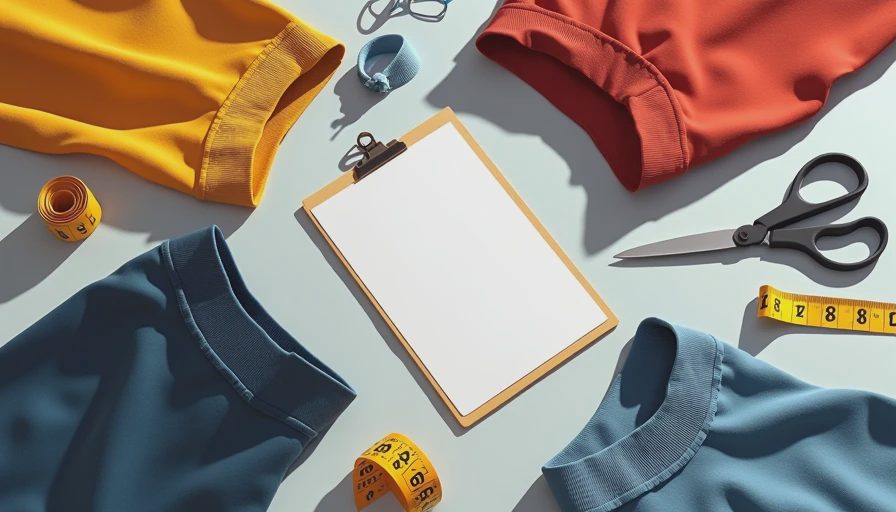
Before you spend a dime, take a hard look at your current clothes. Pull everything out and sort by category -- tops, bottoms, dresses, outerwear. Be honest about what fits, what you actually wear, and what's been sitting with tags on. This audit is the single most important step in slow fashion wardrobe building from scratch. You'll often find five or six pieces that can form the core of a capsule: a well-fitting pair of jeans, a neutral sweater, a solid blazer. Keep those. For everything else, decide: repair, donate, sell, or repurpose. Even ten pieces is enough to start. Take everything off hangers and lay it on your bed. Make piles for keep, maybe, and let go. Anything with holes, stains, or that hasn't been worn in a year goes to the donate pile unless you truly love it. This sounds brutal but it clears mental space.
Invest in Versatile Foundations
Once you know what you have, identify gaps. But don't rush to fill them with trendy pieces. Instead, look for timeless items that can carry you through multiple seasons. Think a white cotton button-down, a dark wash denim jacket, a simple leather belt, and a pair of black trousers that can be dressed up or down. Brands like Everlane, Pact, and Kotn offer solid basics with transparent pricing. For shoes, consider a classic loafer or a versatile low heel. Each purchase should earn its place in your rotation. This discipline is at the heart of slow fashion wardrobe building from scratch -- each item is a thoughtful investment. For color palette, stick with neutrals like navy, black, cream, and olive, plus one accent color like rust or dusty pink. This makes mixing and matching effortless. When you buy new, choose quality over quantity. A $100 pair of jeans that lasts five years is cheaper than five $20 pairs that fall apart.
Shop Secondhand with Intention
Secondhand is your best friend in this process. ThredUp, Poshmark, and local thrift stores have incredible finds if you know how to look. But it's easy to buy junk just because it's cheap. Set a rule: only buy secondhand items that you would be excited to pay full price for in a store. This filters out impulse purchases. Look for natural fibers like cotton, linen, and wool -- they last longer and wear better over time. I've scored cashmere sweaters and silk blouses for under $20 this way. When you find something great, ask yourself: will I wear this at least 30 times? If yes, it's a worthy addition to your slow fashion wardrobe building from scratch. On ThredUp, search by brand and material. I filter for 'cotton' or 'linen' to avoid polyester blends. At thrift stores, feel the fabric. If it's thin or scratchy, put it back. Also check for wear -- missing buttons, pilling, loose seams. If the repair is simple, it's a win.
Master the Art of Repetition
One of the biggest mental hurdles is getting comfortable wearing the same outfit more than once. Slow fashion thrives on repetition. Challenge yourself to create 10 different looks from just 15 items. You'll be surprised how many combinations emerge when you stop craving newness. Document your outfits -- literally take photos -- so you remember what works. This practice makes your clothes feel fresh without buying more. It's the secret to enjoying slow fashion wardrobe building from scratch without feeling bored. I used to feel embarrassed repeating outfits, especially around the same people. But now I see it as a sign of a well-edited wardrobe. To make it fun, I create outfit formulas: white tee + jeans + blazer, or sweater + midi skirt + boots. You can rotate accessories like scarves or jewelry to change the feel without buying new clothes.
Care for What You Have
The final piece is making your clothes last. Wash on cold, hang dry, and learn basic mending. A missing button or a small tear doesn't mean the end. I keep a small sewing kit and mend holes when they appear. Investing in a fabric shaver can rescue pilled sweaters. For shoes, use a protective spray and resole when needed. This care extends the life of your wardrobe and deepens your connection to your clothes. That's the real goal of slow fashion wardrobe building from scratch -- a relationship with your wardrobe that's built to last. For knits, fold instead of hanging to avoid stretching. Use a laundry bag for delicate items. Learn to hand-wash silk and wool -- it's simple and saves dry cleaning costs. I store out-of-season clothes in breathable cotton bags to protect from dust and moths.
Building a slow fashion wardrobe from scratch isn't done overnight. It's a gradual process of editing, shopping smart, and caring for what you own. Start small, repeat your outfits with pride, and remember: you don't have to do it perfectly to do it better.



Travellers Write
No letters yet — be the first traveller to write.