Outfit Repeating: How to Wear It Again, but Better
Outfit repeating can make your wardrobe feel fresher, smarter, and more personal. Learn easy styling habits that help you buy less and wear more.
Outfit repeating used to sound like something you were supposed to avoid. If you grew up in the era of constant hauls, party photos, and micro-trends that expired in three weeks, repeating a look could feel like failing at fashion. I used to think that too. Now, honestly, I think the opposite is true. Outfit repeating is one of the clearest signs that your wardrobe is actually working for your life. It means your clothes fit, feel good, and keep earning their place.
The shift is less dramatic than it sounds. You do not need a perfect capsule wardrobe, a linen jumpsuit collection, or a moral transformation overnight. You just need a few pieces you genuinely like and a better system for styling them. Wear it again, but better.
Why outfit repeating is a style skill, not a style failure
The biggest misconception about outfit repeating is that it kills creativity. In real life, it often does the opposite. When you stop chasing constant newness, you get more observant. You notice that your black trousers look sharper with brown loafers than white sneakers. You learn that the same slip skirt can read relaxed with a sweatshirt and polished with a fitted knit. Repetition builds taste because you are working with real clothes on a real body, not an imaginary future self.
It also takes pressure off getting dressed. A strong repeated outfit becomes a tool. Think of the person whose vintage jeans, white tee, blazer, and gold hoops always work. That is not boring. That is clarity. It frees up energy for the rest of your day and keeps you from panic-buying a “missing piece” every time you have dinner plans.
There is a sustainability upside too, of course, but I like to keep it grounded. This is less about moral purity and more about useful habits. If you wear what you own often, you naturally slow down shopping, get pickier about what comes in, and waste less money on clothes that only make sense once.
Start with a repeat-worthy base, not a fantasy wardrobe
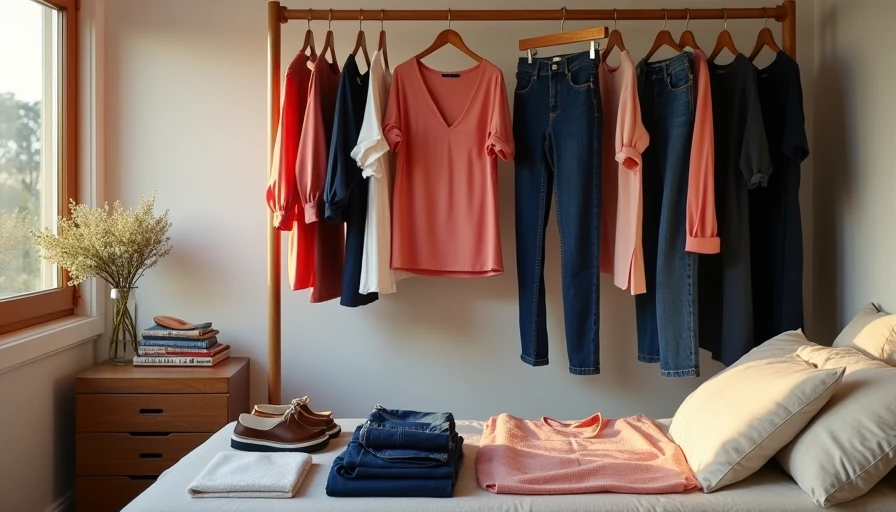
If I were starting from scratch, I would not begin by asking, “How can I make every item versatile?” I would ask, “What do I already reach for twice a week?” Those are your clues. The best outfit repeating starts with pieces that already have momentum: straight-leg jeans, a crisp button-down, a black tank dress, relaxed trousers, a good cardigan, leather boots, a white poplin skirt, or a denim jacket with the right shape.
The key is to identify three to five formulas that fit your actual routine. Maybe yours are jeans + knit + loafers for work, dress + sneakers + jacket for weekends, and trousers + tank + overshirt for evenings. Once you have formulas, repeating stops feeling random and starts feeling intentional.
This is also where I gently suggest skipping aspirational purchases. A sequined top you might wear once is not helping your daily style. A navy crewneck that works with your jeans, trousers, and slip skirt probably is. You do not have to do this perfectly to do it better. You just have to notice what gets worn and build around that evidence.
How to make the same outfit feel different each time
This is the part people usually miss. Outfit repeating does not mean cloning the exact same look with no variation. It means reusing the core and adjusting the styling language around it. Start with one anchor piece and change two or three supporting elements: shoes, outerwear, jewelry, bag, or proportions.
For example, take a white button-down and jeans. Version one: ballet flats, slim belt, and a trench. Version two: sneakers, baseball cap, and a roomy tote. Version three: heeled boots, chunky earrings, and a cropped jacket. The base repeats, but the mood shifts.
Texture helps too. Cotton, denim, wool, suede, and leather all change how familiar pieces read. So does silhouette. Tuck the shirt fully, half tuck it, leave it open over a tank, or layer it under a crewneck so only the collar and cuffs show. None of these moves require more shopping. They require attention.
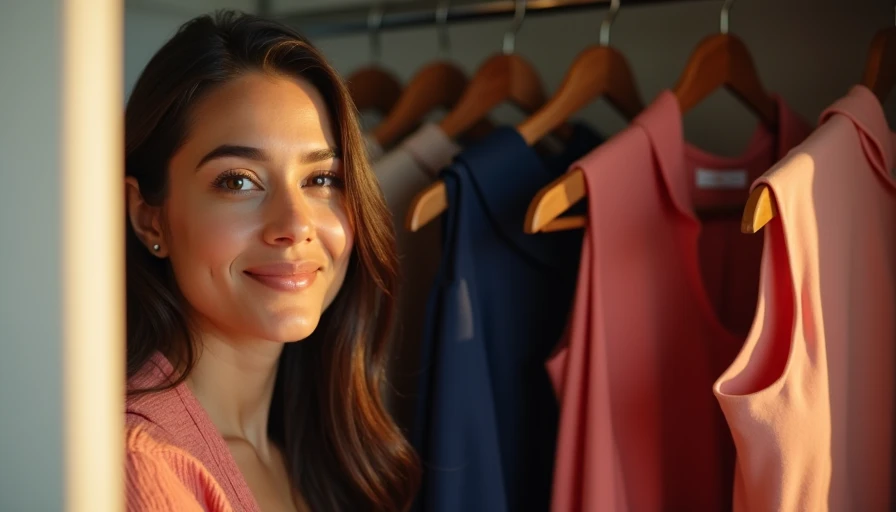
A practical trick I love is taking mirror photos when an outfit works. Not for posting, just for reference. A small album on your phone called “wear again” can save you on rushed mornings. It becomes proof that your wardrobe has more range than your stressed brain thinks it does at 7:40 a.m.
The emotional part: getting over the fear of being seen twice
A lot of resistance to outfit repeating is not actually about clothes. It is about visibility, social pressure, and the weird modern expectation that personal style should look endlessly updated. But most people are not tracking your outfits with forensic detail. They are noticing your overall energy, whether your clothes suit you, and whether you seem comfortable in them.
In fact, repeated outfits can become part of your charm. People remember consistency. They remember the person who always looks pulled together in relaxed neutrals, or always has great jackets, or somehow makes the same black dress feel new with different shoes. That is personal style. Not novelty for novelty’s sake.
If it helps, start small. Repeat outfits in lower-stakes settings first: grocery runs, coffee dates, office days, casual dinners. Then expand. The confidence comes from experience. Once you realize no one cares in the catastrophic way you imagined, the whole thing gets lighter.
I say this as someone who used to buy “editor-approved” pieces that photographed well and lived terribly. The clothes I love most now are the ones I have worn enough to understand. They softened with me. They proved themselves.
Habits that make outfit repeating easier long term
Good repetition is supported by maintenance. If your favorite white tee is stretched out, your boots need a resole, or your trousers still need hemming, you will stop reaching for pieces before their time. Caring for clothes is not glamorous, but it is one of the most stylish things you can do.
A few habits make a real difference: keep a running wishlist instead of impulse shopping, store outfits together mentally or physically, repair small issues early, and review your wardrobe by wear count rather than fantasy identity. If something has not been worn in a year, ask why. If something has been worn twenty times, study it. That item is teaching you something useful.
You can also set gentle constraints. Try a month of styling the same blazer five ways before buying another layer. Try choosing one dress to wear once a week with different shoes. These little experiments build trust in your wardrobe.
Outfit repeating is not settling. It is editing. It is learning what deserves space in your closet and on your body. And once you get the hang of it, getting dressed feels less like consumption and more like authorship.