Slow fashion on a budget is not an oxymoron. It is possible to dress stylishly and ethically without spending a lot. The key is shifting from buying to curating. I used to be the kind of fashion editor who bought a new dress for every event, only to wear it once and shove it to the back of my closet. When I started questioning that cycle, I worried that slowing down meant giving up that feeling of discovery. What I found instead was a deeper kind of depth—pieces with history, wear that gets better with age, and a sense of satisfaction that no fast-fashion haul ever gave me.
What Does Slow Fashion on a Budget Really Mean?
Slow fashion is about buying fewer, better things—clothes that are made to last, that you love wearing, that you'll repair rather than toss. On a budget, that means you can't afford the $200 organic cotton T-shirt, but you can afford a well-kept secondhand version for $10. Slow fashion on a budget isn't about deprivation; it's about being strategic. You invest your money in the items that matter most—like a good pair of jeans or a wool coat—and source the rest secondhand, swapped, or never. That T-shirt I mentioned? I bought one from ThredUp for $9, and it’s now my most-worn top.
Where to Find Affordable Slow Fashion Pieces
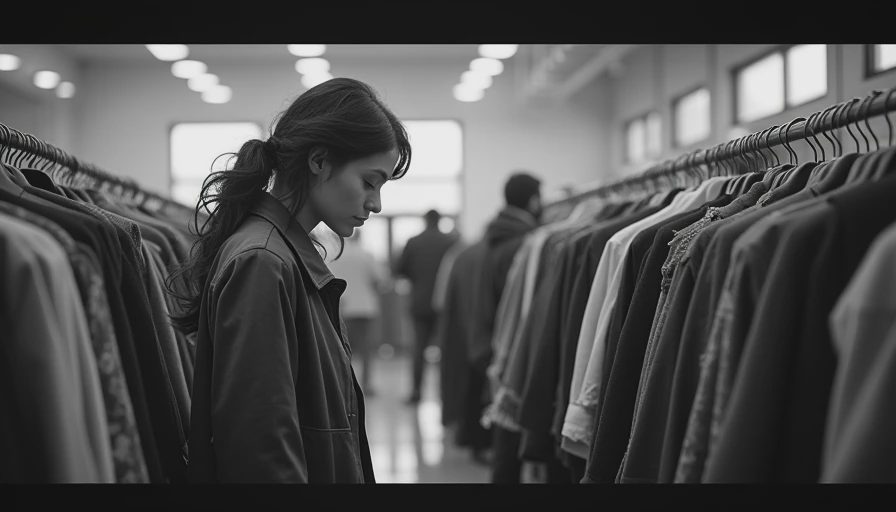
Thrift stores are the obvious answer, but they require patience. I love value villages in wealthier neighborhoods—brands like Eileen Fisher, Patagonia, and Everlane pop up often. Online, apps like Depop, Poshmark, and Vinted let you search specifically for natural fibers. Look for 100% cotton, linen, or wool; they last longer and feel better. Another trick is to follow your favorite slow-fashion brands on Instagram and wait for their seasonal sample sales. I snagged a gorgeous organic cotton dress from a brand called Linen Fox for half price during their end-of-season clearance.
How to Make Slow Fashion Work on a Budget
First, build a capsule wardrobe. Start with seven to ten core pieces that mix and match—neutral trousers, a denim jacket, a white button-down, a couple of tees, a versatile dress. Then limit yourself to one or two new purchases per season. When you do buy, prioritize quality. Learn to check seams, fabric weight, and stitching. A $30 thrifted pair of 100% wool trousers will outlast five $15 polyester pairs. Second, take care of what you have. Hand wash delicates, use a fabric shaver for pills, and spot-treat stains instead of tossing. I keep a small bamboo stain stick in my bag—it’s saved countless shirts.
The Role of Mindset in Slow Fashion on a Budget
The biggest shift is emotional. We’re raised to believe that new things make us feel good, but that hit fades fast. Slow fashion on a budget trains you to find pride in wearing something for years. I now challenge myself to create three new outfits from what I already own before even thinking about buying. Outfit repeating is not boring—it’s a creative puzzle. Posting repeat outfits on Instagram actually got more engagement than my new-clothes posts. People love to see real wear.
Cost Comparison: Slow Fashion on a Budget vs. Fast Fashion Over a Year
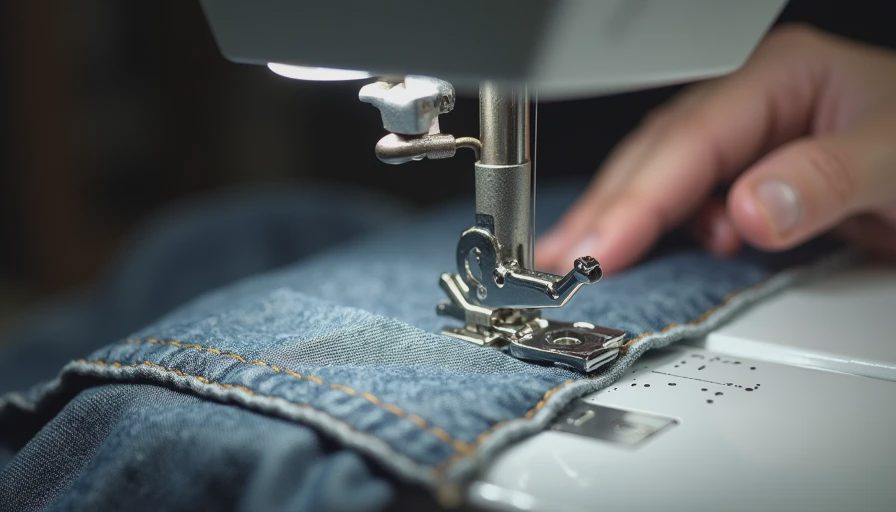
Let’s put numbers on why slow fashion on a budget makes financial sense. Take a fast-fashion polyester blouse: it costs $25 and lasts about 10 washes before it starts to fade or pill. A thrifted 100% silk blouse costs $15 and lasts 5 years with proper care. Over one year, if you wear that blouse twice a month, the fast-fashion version would need to be replaced at least once (that’s $50 total). The silk blouse still looks good, and you might spend $5 on a fabric shaver or minor repairs. That’s $20 total—a saving of $30 on just one blouse. Now multiply that across your wardrobe: a fast-fashion pair of jeans ($40, lasted 6 months) vs. thrifted raw denim ($25, lasts 3 years). Over a year, fast-fashion jeans cost $80, slow fashion costs $25 (plus $5 for repairs). That’s $55 saved on jeans alone. For a wardrobe of 10 core items, you could save $300–$500 annually by choosing slow fashion on a budget. These savings grow each year as you invest in better pieces that last longer.
Conclusion
Slow fashion on a budget is a practice, not a purchase. It’s about making what you own last, choosing when to invest and when to save, and letting go of the need for constant newness. You don’t have to do it perfectly. Start small: swap a fast-fashion buy for a thrifted one, mend a rip instead of replacing it, wear your favorite jeans twice in a row without apology. That’s slow fashion in action. Wear it again, but better.

Travellers Write
No letters yet — be the first traveller to write.