I remember standing in my closet three years ago, a former fashion editor who owned 127 pieces, feeling like I had nothing to wear. The tags were still on a silk blouse I'd bought on deep discount, and a pair of leather trousers I'd saved up for but never worn outside. In that moment, I realized the real question wasn't "What should I buy next?" but "How many clothes do you actually need to feel put together and not overwhelmed?" The answer surprised me.
The Number That Actually Matters
There's no universal magic number, but consistent advice from capsule wardrobe experts like Project 333 suggests aiming for 33 items (including shoes and outerwear) for three months. I've seen that work for friends in New York and Seattle. If you work from home like many of us, you might get by with 20 to 25 pieces. On the other hand, a teacher who dresses up daily might need 40. So how many clothes do you actually need for your life? Start by counting what you reach for most. In my own wardrobe, after ruthless editing, I landed at 35 pieces—12 tops, 6 bottoms, 5 dresses, 4 outerwear, and 8 pairs of shoes. That's for a Portland lifestyle with frequent hiking and a mix of casual and dressy events.

The Building Blocks of a Workable Wardrobe
Think about how many clothes do you actually need to create a week's worth of outfits that feel fresh. I aim for five bottoms (jeans, trousers, midi skirt, shorts) and ten tops (t-shirts, blouses, sweaters) so each bottom pairs with at least two tops. Add two dresses, a trench coat, a denim jacket, and three pairs of shoes (sneakers, loafers, boots) and you've got dozens of looks. The key is a unified color palette: I stick to navy, cream, olive, and tan with occasional burgundy. Brands like Everlane for basics and Patagonia for fleeces hold up well. When you buy fewer pieces, you can invest in quality—a well-fitting pair of Madewell jeans costs more upfront but lasts years.
How to Find Your Number
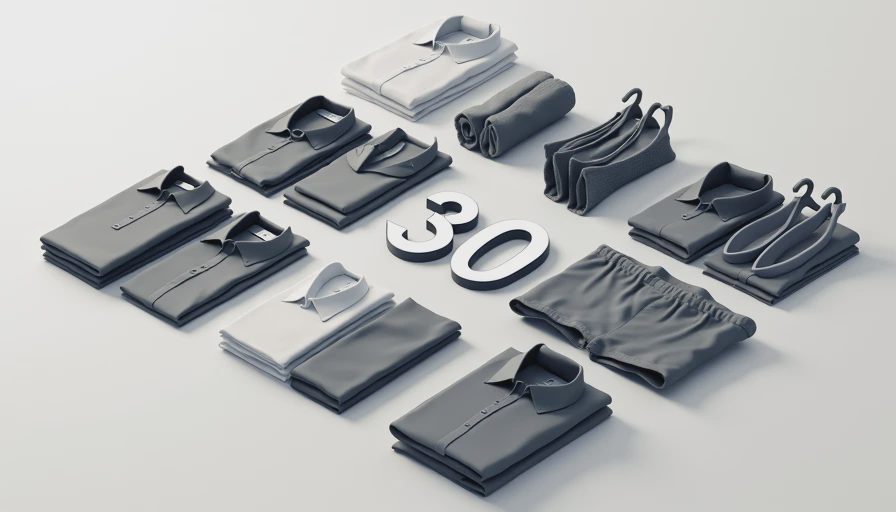
Here's a practical exercise: empty your closet into a pile on your bed. Only put back items you love and wear. Count them. Then consider how many clothes do you actually need for your weekly schedule. Most people need 10-15 work outfits, 5-7 weekend outfits, and maybe 3-4 activewear sets. That total usually falls between 20 and 40 pieces. I suggest aiming for 35 and adjusting. After you've refined, commit to a one-in-one-out rule. When I buy a new secondhand cashmere sweater, I donate an old one. This keeps the number stable.
What I Learned From My Own Capsule Count
I used to own 12 white t-shirts, but only two fit well. Now I have one perfect white tee from Uniqlo that I wear weekly. The mental load decreased dramatically. I no longer spend mornings deciding what to wear—I grab from a curated set. Knowing my number also made me a more thoughtful shopper. I ask: "Does this fit into my 35 pieces? What would it replace?" That question saves me from impulse buys. And I still love fashion—I window shop and save for special pieces. But now, when I ask myself how many clothes do you actually need, the answer is simple: enough to feel confident and comfortable, and not a single item more.
Why Less Really Is More
When I trimmed my wardrobe, I saved money and time. I also reduced my environmental footprint. Fast fashion is a leading contributor to waste and carbon emissions. By owning fewer clothes, you vote against that cycle. Plus, when you wear your clothes more often, you appreciate them more. I've started mending small holes, learning visible mending on a favorite pair of jeans. I pass clothes to friends when they no longer serve me. This is less about moral purity and more about useful habits.
The One-Week Rotation Test: A Practical Checklist
If you're still unsure whether you've hit the right number, try the one-week rotation test. Set aside seven hangers or hooks. Each morning, after wearing an outfit, hang it separately. At the end of the week, check: Did you wear every piece? Did any items stay unworn for the full seven days? If so, those are candidates to remove. This test reveals your actual usage patterns. For example, I discovered I never reached for my printed maxi dress even though I loved it conceptually. After three tests over a month, I donated it. Use this checklist to validate: (1) Did I wear each top at least once? (2) Did each bottom pair with multiple tops? (3) Did I have to repeat an outfit I disliked? (4) Did I feel I lacked a specific item (e.g., a black blazer for evening)? Answering these honestly tells you whether your current number is too high, too low, or just right. Most people find they can cut 5-10 pieces after this test.
I don't pretend to have figured out everything. Some days I want a new dress. But I've stopped believing that more clothes will solve my problems. What solved them was finding the right number—and sticking to it. So next time you ask how many clothes do you actually need, start with 35. Wear them for a month. Then adjust. You might just find that enough is exactly enough.
Wear it again, but better.


Travellers Write
No letters yet — be the first traveller to write.