I’ll be honest: a few years ago, I would have rolled my eyes at the phrase "sustainable fashion brands worth it." Back in my fashion editor days, I was all about the new, the trendy, the runway-to-closet pipeline. But after too many impulse buys that ended up in donation piles, I started questioning everything. Are those higher-priced eco-friendly brands just marketing fluff, or do they actually deliver on durability, style, and ethics? After a lot of trial and error, here’s my real-world take on whether sustainable fashion brands worth it — and how to shop them without breaking your budget.
What Makes a Brand “Sustainable” Anyway?
Before we can decide if a brand is worth it, we need to define sustainable. It’s not a regulated term, so it gets thrown around loosely. For me, sustainability means a combination of:
- **Ethical labor:** Fair wages and safe conditions.
- **Lower environmental impact:** Using organic, recycled, or low-impact materials, reducing water and carbon footprints.
- **Durability:** Clothes that last beyond a season.
- **Transparency:** Brands that share where and how things are made.
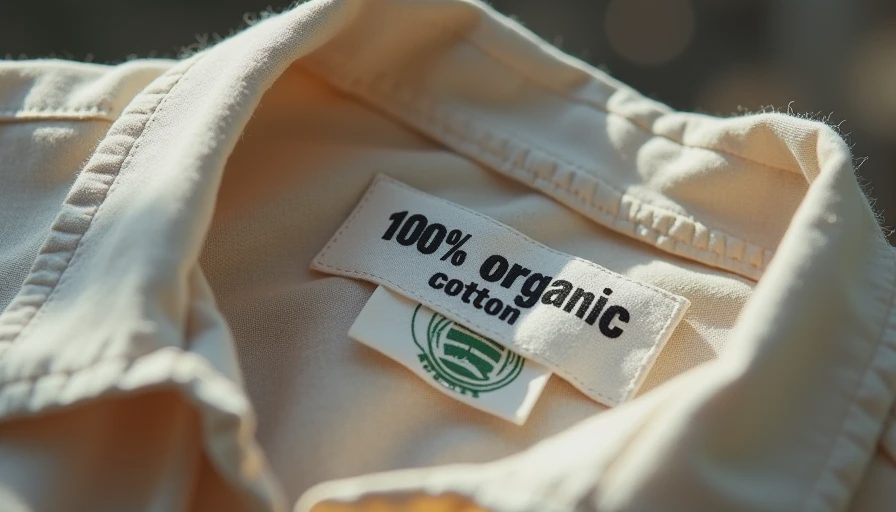
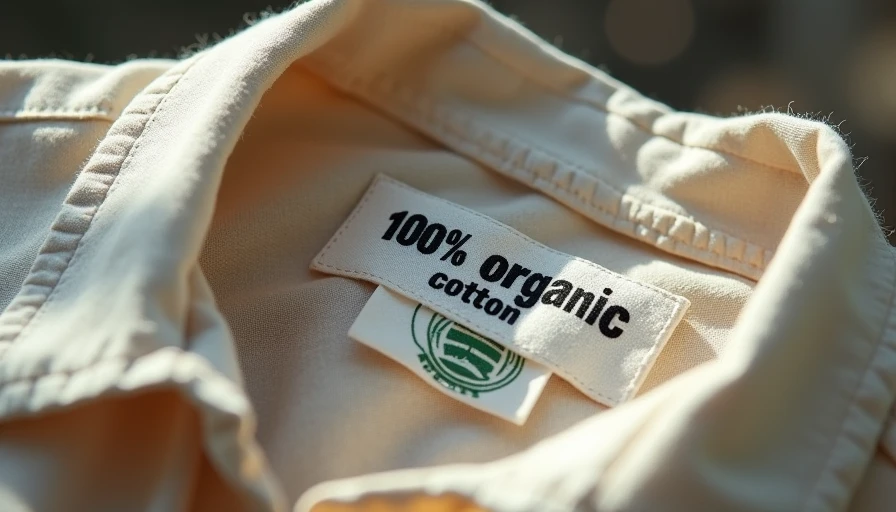
Brands like **Patagonia** and **Reformation** have strong records in these areas, but not all labels wearing the "eco" badge deserve it. The key is looking for third-party certifications like B Corp, Fair Trade, or GOTS (Global Organic Textile Standard). These give you a baseline that the brand isn’t just greenwashing.
The Price Tag Shock — Why Do Ethical Brands Cost More?
Let’s address the elephant in the room: sustainable fashion often costs 2x to 3x more than fast fashion. That $200 dress from a “responsible” brand feels steep compared to a $50 fast-fashion version. But that higher price reflects real costs: organic cotton is pricier to grow, factory workers need living wages, and small production runs don’t benefit from economies of scale. Over time, though, these pieces tend to outlast cheaper alternatives. I have a Patagonia fleece from 2017 that still looks new, while a similar fast-fashion jacket fell apart after two washes. That’s value you can wear.
When Sustainable Brands Actually Deliver — My Top Picks
Some sustainable fashion brands worth it in my experience include:
- **Patagonia:** Investment pieces that last years and come with a repair guarantee. Their down jackets and fleeces are wardrobe staples.
- **Reformation:** Great for trendy silhouettes with a lower footprint. Their dresses are resale-friendly, which helps offset the initial cost.
- **Kotn:** Simple, high-quality basics made from Egyptian cotton. Fair labor and transparent pricing.
- **Everlane:** While not perfect, their transparent pricing and focus on core styles make them a reasonable entry point for ethical shopping.
These brands prove that sustainability and style can coexist — you just have to be selective about which pieces are worth the spend.

When It’s Not Worth It — Greenwashing and Overhyped Labels
On the flip side, not every so-called sustainable brand is a smart buy. I’ve fallen for marketing that promised “eco-friendly” but delivered nylon blend blouses that wrinkled after one wear. Watch for buzzwords like “conscious” without details. Also, be skeptical of brands that launch dozens of new styles each week — that’s still overproduction, no matter how green the fabric. And some luxury brands slap a “sustainable” label on a $600 T-shirt with no real change in their supply chain. Trust your gut: if a brand’s sustainability page is vague or full of stock photos, it’s probably not worth the premium.
How to Decide If a Brand Is Worth It for You
Here’s a quick checklist I use before buying any "sustainable" piece:
- **Check the materials:** Look for organic, recycled, or natural fibers. Avoid polyester-heavy blends unless they’re made from recycled sources.
- **Look for transparency:** Can you find the factory location and production details? Brands that share their supply chain are usually more trustworthy.
- **Consider resale value:** Brands with strong resale demand (like Patagonia or Reformation) mean you can recoup some cost later.
- **Versatility:** Will this piece work with at least three outfits in your current wardrobe? If not, skip it.
- **Brand longevity:** Has the brand been around a few years? New labels often overpromise.
Frequently Asked Questions About Sustainable Fashion Brands
**Q: Are sustainable fashion brands worth it for basics like T-shirts and underwear?**
Yes, especially for items you wear frequently. A $40 organic cotton T-shirt from **Kotn** will outlast five $8 fast-fashion tees. Over a year, you save money and reduce waste. For underwear, **Pact** makes affordable organic cotton sets that hold up well after many washes.
**Q: How do I spot greenwashing in sustainable fashion brands?**
Look for specific claims with proof. If a brand says “eco-friendly” but doesn’t list materials or certifications, be wary. Also check their production volumes — a brand that drops 50 new styles a month is likely still overproducing. Genuine sustainable brands often have a smaller, curated collection and share factory audits.
**Q: Can I build a sustainable wardrobe on a tight budget?**
Absolutely. Shopping secondhand is the most sustainable option. Sites like **ThredUp** and **Depop** let you buy pre-owned pieces from ethical brands at a fraction of retail. You can also use **eBay** to find Patagonia fleeces for under $50. Renting outfits for events via **Rent the Runway** is another low-cost way to enjoy designer sustainability without commitment.
**Q: What’s the one thing I should never sacrifice when buying sustainable fashion?**
Fit. Even the most eco-friendly dress will end up in a landfill if it doesn’t suit your body. Always prioritize pieces that make you feel confident and comfortable. That’s the true test of whether a sustainable fashion brand worth it for you.
The Bottom Line — Sustainable Fashion Brands Worth It?
Yes — but only if you shop with intention. The most sustainable garment is the one you already own, but when you do need something new, choosing a well-made piece from a transparent brand is a step in the right direction. Sustainable fashion brands worth it when they help you buy less and wear more. Not every high-priced eco-label is a win, but the ones that deliver on durability, ethics, and style can truly upgrade your wardrobe — and your conscience.
Wear it again, but better.


Travellers Write
No letters yet — be the first traveller to write.