
I’ve been meaning to write this Everlane honest review for months. If you care about sustainable style but don’t want to be sold aspirational marketing, you’ve probably wondered whether Everlane’s “Radical Transparency” actually translates into clothes worth wearing. I finally put several of their core pieces to the test—worn, washed, repeated, and scrutinized with my former fashion editor’s eye. Here’s what I found.
The Transparency Promise: Marketing or Mission?
Everlane built its reputation on showing you the cost breakdown of every item—materials, labor, transport, duties, and their markup. It feels revolutionary at first. But I’ve learned that transparency about price doesn’t always mean the product is sustainable or high-quality. The brand is a “considered” brand, not a fully circular one. They use some recycled materials and partner with ethical factories, but they’re still fast fashion in spirit—new drops constantly, heavy email marketing, and a push to buy more. That doesn’t invalidate the good stuff, but it’s worth noting when you read any Everlane honest review.

What I Bought and Tested
I ordered four everyday staples: the Day Market Tote in ecru, the Cotton Crewneck in oatmeal, the High-Rise Skinny Jean in dark wash, and the Editor’s Linen Shirt in white. Then I lived in them for three months—wearing each at least a dozen times, washing according to the label, and noting how they held up. I wanted to see if the quality matched the marketing.
The tote is sturdy but stiff; the color started to fade slightly after a few washes. The crewneck is soft and has held its shape, though the neckline stretched a bit. The jeans were my favorite—great rise, decent stretch, but the dark wash bled onto lighter furniture initially. The linen shirt wrinkled as expected but softened nicely.
Quality vs. Price: Where Does Everlane Land?
Everlane’s pricing sits in the middle—not fast-fashion cheap, not investment-level expensive. A typical T-shirt runs $30 to $50, jeans around $80 to $100, outerwear $100 to $200. Is that a fair price for what you get? After testing, I’d say yes for some items, no for others. The jeans are a good value—comparable to Madewell or Levi’s but with a better sustainability story. The cotton basics are acceptable but not groundbreaking; you can find similar quality at Uniqlo for less. The linen shirt was a disappointment for the price—the fabric felt thin and puckered after one wash.
The Final Verdict: Is Everlane Worth Your Money?
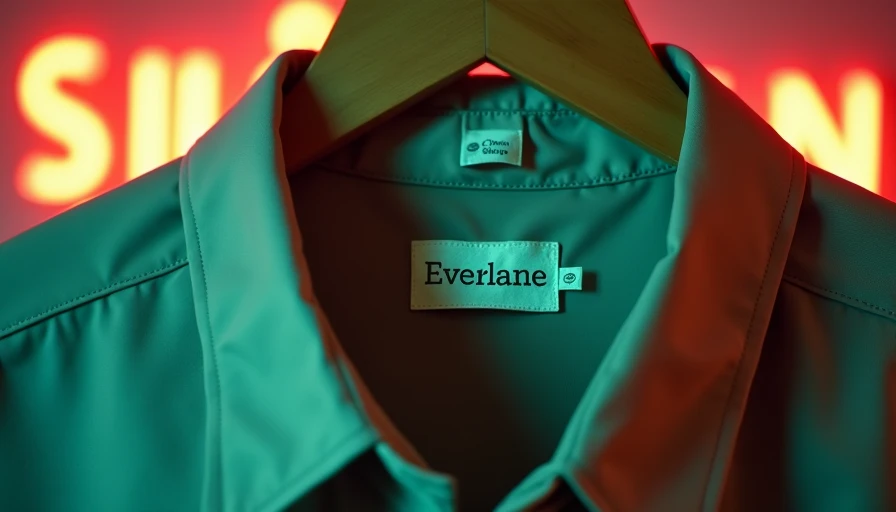
This Everlane honest review landed me at a cautious yes—with caveats. Choose your pieces carefully. Skip trend-driven items that will date quickly; invest in wardrobe staples like denim and classic knits. The transparency is real, but it’s not a license to buy everything they make. If you’re building a capsule wardrobe and want a few reliable basics that support ethical manufacturing, Everlane is a solid player. Just don’t expect heirloom quality or fully circular practices yet.
How to Shop Everlane Mindfully
If you decide to try Everlane, here are a few tips from my experience:
- Check the fabric composition. Look for 100% natural fibers or at least higher percentages of organic cotton or linen.
- Read the reviews with a critical eye—many are from brand loyalists. Filter for the negative ones to spot consistent issues.
- Wait for a sale. Everlane runs seasonal sales with up to 30% off; that’s when the value really kicks in.
- Wash on cold and hang dry. This extends the life of every item and reduces environmental impact.
Everlane vs. Competitors: A Quick Comparison
To put this Everlane honest review in perspective, I compared it with three other brands with similar sustainability claims: Patagonia, Madewell, and Reformation. Patagonia is pricier but uses more recycled materials and offers a repair program. Madewell has a denim recycling program but less transparency on factory conditions. Reformation focuses on limited-edition styles with lower carbon footprints but at higher price points. Everlane falls somewhere in the middle — more affordable than Patagonia or Reformation, but without the same level of environmental commitment. For example, Patagonia's organic cotton T-shirts cost around $40–$60, comparable to Everlane's $30–$50, but Patagonia uses Fair Trade Certified factories and donates 1% of sales to grassroots environmental groups. Everlane's "Radical Transparency" shows costs but doesn't include third-party certifications like B Corp (though they are in the process of certification). Madewell's jeans are similar in price to Everlane's ($80–$120) but Madewell offers in-store recycling for old denim. However, Madewell doesn't disclose factory wages as openly. Reformation's dresses start at $100 and emphasize sustainable materials, but their sizing can be inconsistent. For a consumer who values both price and ethics, Everlane offers a balanced starting point. In this Everlane honest review, I found that for core wardrobe essentials like jeans and knits, Everlane delivers acceptable quality with a clear cost breakdown. If your priority is maximum sustainability, go with Patagonia or Reformation. If you prefer fit and style variations, Madewell might suit you better. But for a first step into conscious consumerism, Everlane is a trustworthy and transparent option.
In the end, this Everlane honest review reflects a brand that’s trying, but still imperfect. That doesn’t make them bad—it makes them human. And for a sustainable wardrobe, that’s a step in the right direction.

Travellers Write
No letters yet — be the first traveller to write.